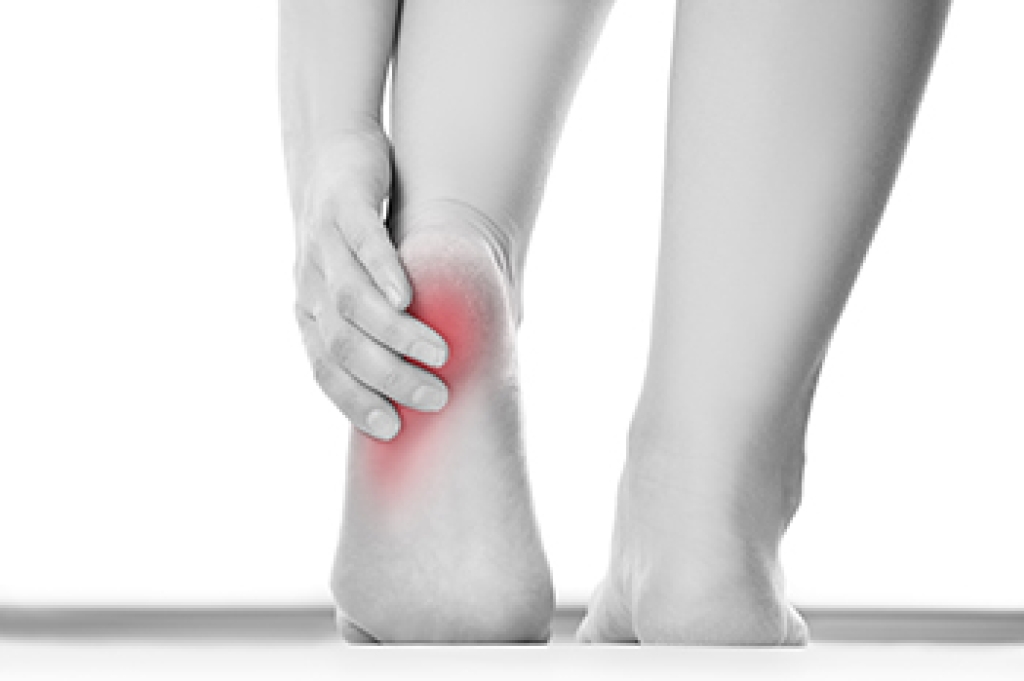
Common Types of Heel Pain

Heel pain can make standing and walking uncomfortable, especially when symptoms continue throughout the day. Pain may begin deep in the foot, directly around the heel bone, or in the connective tissue that supports the bottom of the foot. One frequent cause is plantar fasciitis, which involves inflammation of the strong tissue extending from the heel toward the toes. This type of heel pain is especially common in adults. Being overweight and wearing improper footwear may contribute to the problem. Discomfort is often noticeable right after getting out of bed and may return as more time is spent on the feet.


Plantar fasciitis is not the only possible source of heel pain. Problems involving the Achilles tendon, arthritis, or gout may also cause discomfort around the heel. Other causes include stress fractures or irritation of nearby nerves. Since heel pain can develop from several different problems, identifying the source is important before deciding on treatment. A medical evaluation may include questions about when the pain occurs and whether there has been recent trauma. The physician may also consider frequently worn footwear and typical activity levels to better understand what may be contributing to the symptoms.


A podiatrist can evaluate persistent heel pain and determine whether plantar fasciitis or another foot problem may be responsible. Treatment depends on the underlying cause and severity of the symptoms. Non-surgical care is often used for plantar fasciitis, while persistent cases may require further evaluation and more specialized treatment. Surgery may be considered when non-surgical treatment does not provide enough improvement. A podiatrist can help determine which treatment options are appropriate and whether additional care is necessary. Heel pain does not have to be accepted as a normal result of aging, injury, or physical activity. If persistent heel pain is making it difficult to stand or walk comfortably, it is suggested that you consult a podiatrist for an evaluation and appropriate treatment options.

Many people suffer from bouts of heel pain. For more information, contact Arkady Kaplansky, DPM of California. Our doctor can provide the care you need to keep you pain-free and on your feet.

Causes of Heel Pain

Heel pain is often associated with plantar fasciitis. The plantar fascia is a band of tissues that extends along the bottom of the foot. A rip or tear in this ligament can cause inflammation of the tissue.

Achilles tendonitis is another cause of heel pain. Inflammation of the Achilles tendon will cause pain from fractures and muscle tearing. Lack of flexibility is also another symptom.

Heel spurs are another cause of pain. When the tissues of the plantar fascia undergo a great deal of stress, it can lead to ligament separation from the heel bone, causing heel spurs.

Why Might Heel Pain Occur?

  • Wearing ill-fitting shoes                
  • Wearing non-supportive shoes
  • Weight change           
  • Excessive running

Treatments

Heel pain should be treated as soon as possible for immediate results. Keeping your feet in a stress-free environment will help. If you suffer from Achilles tendonitis or plantar fasciitis, applying ice will reduce the swelling. Stretching before an exercise like running will help the muscles. Using all these tips will help make heel pain a condition of the past.

If you have any questions, please feel free to contact our office located in Los Angeles, CA . We offer the newest diagnostic and treatment technologies for all your foot care needs.


Read more about Heel Pain

Heel Pain From Plantar Fasciitis

Plantar fasciitis develops when the strong band of tissue along the bottom of the foot becomes irritated from repeated strain. This band, called the plantar fascia, supports the arch and helps absorb pressure while walking. When it becomes inflamed, it can cause heel pain that ranges from a dull ache to a sharp stabbing feeling. Many patients notice the discomfort when taking their first steps after getting out of bed. Pain also becomes worse after standing or walking for long periods of time, especially on hard surfaces. Some people feel soreness only in the heel, while others notice pain that extends into the arch. Because several foot problems create similar symptoms, an accurate diagnosis is important before treatment begins.

Repeated stress on the plantar fascia is the leading cause of plantar fasciitis. Running, long hours of standing, and frequent walking can place extra pressure on this tissue. Risk factors include flat feet, high arches, and a tight Achilles tendon, which is the strong cord connecting the calf muscles to the heel bone. Carrying extra body weight also increases strain on the bottom of the foot. Wearing shoes that lack proper support or do not fit correctly can add even more pressure. People between 40 and 60 years old develop this condition more frequently, although younger adults can also experience it.

A podiatrist performs a thorough examination, reviews symptoms, watches how you walk, and determines whether plantar fasciitis is causing your heel pain. This foot doctor then creates a treatment plan that matches the cause and severity of the condition. Custom orthotics help support the arch and reduce stress on the plantar fascia. Shoes that improve foot support and reduce repeated strain while walking may be suggested. Prompt diagnosis supports comfort and long-term mobility. If you have heel pain, it is suggested that you schedule an appointment with a podiatrist who can accurately diagnose and treat plantar fasciitis.

Plantar fasciitis can be very painful and inconvenient. If you are experiencing heel pain or symptoms of plantar fasciitis, contact Arkady Kaplansky, DPM  from California. Our doctor can provide the care you need to keep you pain-free and on your feet.

What Is Plantar Fasciitis?

Plantar fasciitis is the inflammation of the thick band of tissue that runs along the bottom of your foot, known as the plantar fascia, and causes mild to severe heel pain.

What Causes Plantar Fasciitis?

  • Excessive running
  • Non-supportive shoes
  • Overpronation
  • Repeated stretching and tearing of the plantar fascia

How Can It Be Treated?

  • Conservative measures – anti-inflammatories, ice packs, stretching exercises, physical therapy, orthotic devices
  • Shockwave therapy – sound waves are sent to the affected area to facilitate healing and are usually used for chronic cases of plantar fasciitis
  • Surgery – usually only used as a last resort when all else fails. The plantar fascia can be surgically detached from the heel

While very treatable, plantar fasciitis is definitely not something that should be ignored. Especially in severe cases, speaking to your doctor right away is highly recommended to avoid complications and severe heel pain. Your podiatrist can work with you to provide the appropriate treatment options tailored to your condition.

If you have any questions, please feel free to contact our office located in Los Angeles, CA . We offer the newest diagnostic and treatment technologies for all your foot care needs.
Read more about Plantar Fasciitis

Foot Fusion Surgery for Painful and Damaged Joints

Foot fusion surgery, also called arthrodesis, joins damaged bones so they heal into one stable unit. It may be recommended when a foot joint causes ongoing pain, swelling, or difficulty walking. Fusion can involve the hind foot or midfoot, depending on the location of the problem. Hind-foot joints help provide stability and control movement near the heel and ankle. Common causes include arthritis, severe injuries, and damage that has not improved with other treatment.

A podiatrist may recommend fusion when a joint is too damaged to function comfortably or when painful movement continues despite non-surgical care. The purpose is to reduce painful joint motion and create a stable foundation for walking. Before surgery, the podiatrist reviews symptoms and medical history, examines foot alignment, and uses imaging to evaluate the affected bones and joints. During surgery, damaged cartilage is removed, the bones are positioned carefully, and screws or plates may hold them together while they heal.


Smoking, diabetes, and some medications may affect bone healing. The podiatrist discusses these concerns before surgery and provides instructions to improve surgical safety. After the procedure, the foot is protected with a splint, cast, or boot. Weight-bearing is restricted according to the surgical plan, and follow-up visits help the podiatrist check the incision, swelling, and early healing.


Recovery from foot fusion surgery takes time because the bones must grow together securely. The podiatrist may gradually increase weight-bearing, change protective devices, and use X-rays to confirm progress. Patients should follow activity restrictions and report unusual drainage, fever, or worsening pain. Although the fused joint loses motion, successful surgery can reduce pain and improve stability. If arthritis, injury, or deformity is limiting your mobility, it is suggested that you consult a podiatrist who can discuss the benefits of this type of foot surgery with you. 

Foot surgery is sometimes necessary to treat a foot ailment. To learn more, contact Arkady Kaplansky, DPM of California. Our doctor will assist you with all of your foot and ankle needs.

When Is Surgery Necessary?

Foot and ankle surgery is generally reserved for cases in which less invasive, conservative procedures have failed to alleviate the problem. Some of the cases in which surgery may be necessary include:

  • Removing foot deformities like bunions and bone spurs
  • Severe arthritis that has caused bone issues
  • Cosmetic reconstruction

What Types of Surgery Are There?

The type of surgery you receive will depend on the nature of the problem you have. Some of the possible surgeries include:

  • Bunionectomy for painful bunions
  • Surgical fusion for realignment of bones
  • Neuropathy decompression surgery to treat nerve damage

Benefits of Surgery

Although surgery is usually a last resort, it can provide more complete pain relief compared to non-surgical methods and may allow you to finally resume full activity.

Surgical techniques have also become increasingly sophisticated. Techniques like endoscopic surgery allow for smaller incisions and faster recovery times.

If you have any questions, please feel free to contact our office located in Los Angeles, CA . We offer the newest diagnostic and treatment technologies for all your foot care needs.

Read more about Foot and Ankle Surgery

Foot Corns and Podiatric Care

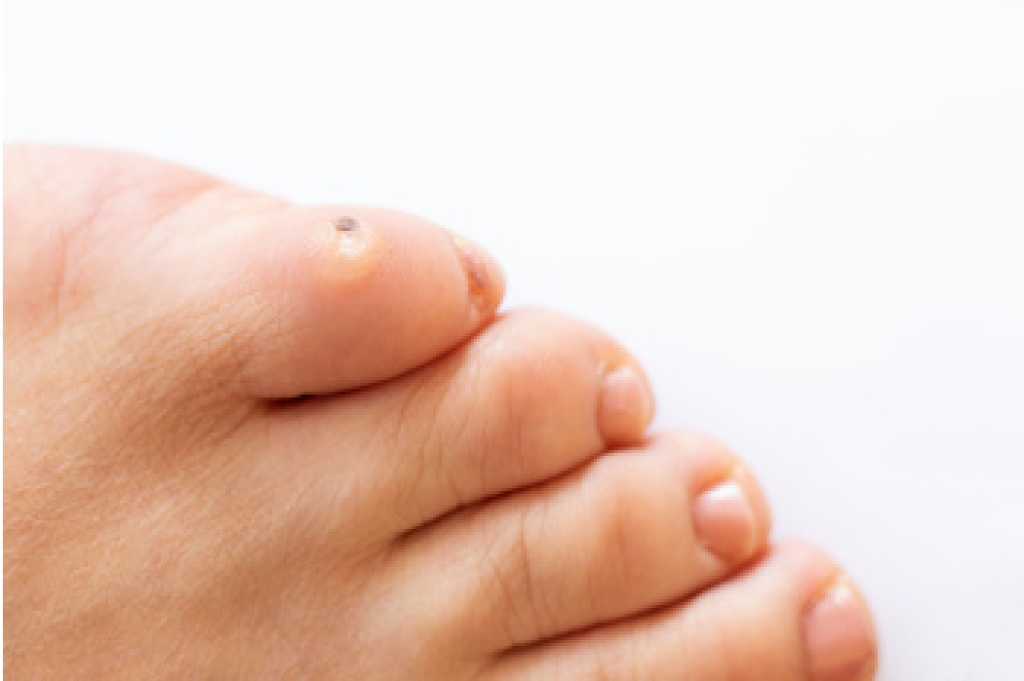
Corns are thick, hardened areas of skin that form when repeated pressure or rubbing affects a specific part of the foot. They often develop on the toes, between the toes, or on the soles of the feet. A corn can have a hard center and feel tender when pressure is placed on it. Shoes that are too narrow or do not fit properly can increase pressure on the toes. A toe that bends or sits differently can rub against a shoe and create friction. Corns are different from calluses because they usually form in a smaller, more focused area. They are not contagious, but they can become painful and make standing or walking uncomfortable.

A podiatrist can examine a corn and determine what is causing the repeated pressure. This evaluation can also help distinguish a corn from other skin problems, including a plantar wart. Care focuses on reducing pressure and relieving discomfort. A podiatrist can safely remove thickened skin, recommend changes that reduce rubbing, and assess whether a foot shape or toe problem is contributing to the corn. Removing a corn without addressing the source of pressure can allow it to return.

In some cases, a corn is connected to an underlying bone or toe problem. When other treatments do not provide enough relief, a podiatrist can discuss whether surgery is appropriate. Surgery can address a structural problem that continues to create pressure on the affected area. A podiatrist can explain the available options based on the location and severity of the corn. Patients with reduced sensation in their feet also need careful evaluation because they might not notice an injury caused by a corn. Professional assessment can help protect the skin and reduce complications, especially when symptoms are persistent or severe. Corns can be painful, and may cause difficulty in completing daily activities. If you have developed a corn, it is suggested that you schedule an appointment with a podiatrist for effective relief and treatment solutions.

Corns can make walking very painful and should be treated immediately. If you have questions regarding your feet and ankles, contact Arkady Kaplansky, DPM of California. Our doctor will treat your foot and ankle needs.

Corns: What Are They? And How Do You Get Rid of Them?
Corns are thickened areas on the skin that can become painful. They are caused by excessive pressure and friction on the skin. Corns press into the deeper layers of the skin and are usually round in shape.

Ways to Prevent Corns
There are many ways to get rid of painful corns such as:

  • Wearing properly fitting shoes that have been measured by a professional
  • Wearing shoes that are not sharply pointed or have high heels
  • Wearing only shoes that offer support

Treating Corns

Although most corns slowly disappear when the friction or pressure stops, this isn’t always the case. Consult with your podiatrist to determine the best treatment option for your case of corns.

If you have any questions, please feel free to contact our office located in Los Angeles, CA . We offer the newest diagnostic and treatment technologies for all your foot care needs.

Read more about Corns: What Are They, and How Do You Get Rid of Them

Wounds That Don't Heal Need to Be Checked

Your feet are covered most of the day. If you're diabetic, periodic screening is important for good health. Numbness is often a sign of diabetic foot and can mask a sore or wound.

scroll to top