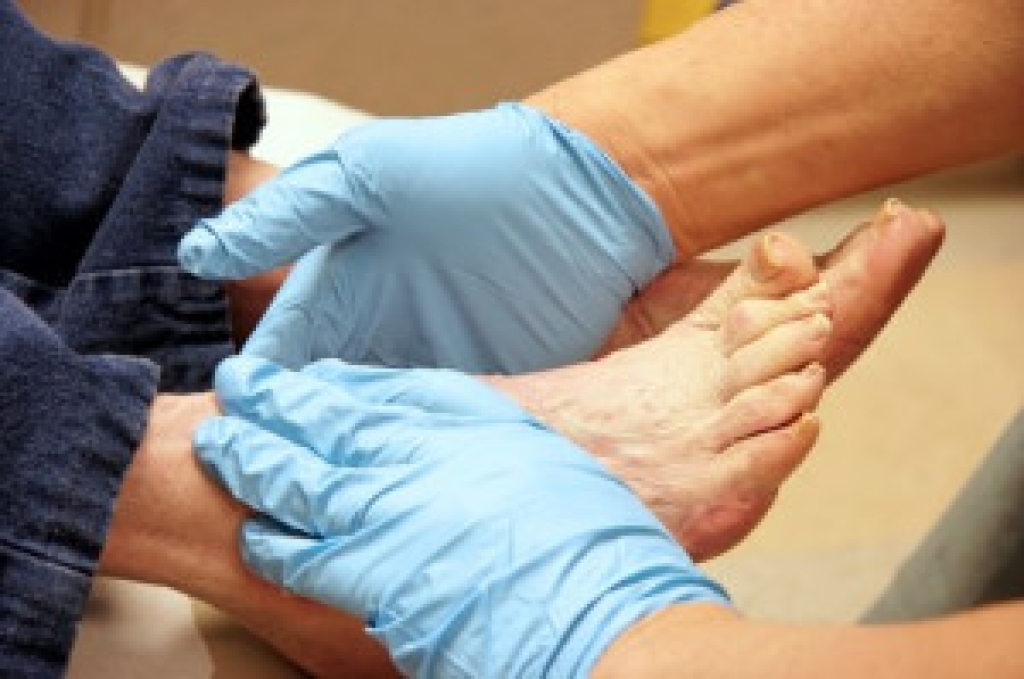
The Serious Effects of Diabetes on the Feet

Diabetes can create powerful challenges for the feet that can worsen if ignored. Elevated blood sugar levels gradually damage both circulation and nerves. Poor circulation slows healing, which means even a small blister or cut can turn into a stubborn wound. Nerve damage reduces feeling, so injuries may go unnoticed until they become infected. Over time, this combination can lead to ulcers, changes in skin and nail health, and, in severe cases, serious infections that require advanced medical care. While these effects are significant, they can often be managed with attentive daily habits. Inspecting the feet each day, choosing shoes that protect against rubbing, and seeking regular podiatric exams are key steps. If you have diabetes and are noticing foot sores, changes in skin color, or loss of sensation, it is suggested that you are under the care of a podiatrist who can help you to manage this serious condition.

Diabetic foot care is important in preventing foot ailments such as ulcers. If you are suffering from diabetes or have any other concerns about your feet, contact Arkady Kaplansky, DPM from California. Our doctor can provide the care you need to keep you pain-free and on your feet.

Diabetic Foot Care

Diabetes affects millions of people every year. The condition can damage blood vessels in many parts of the body, especially the feet. Because of this, taking care of your feet is essential if you have diabetes, and having a podiatrist help monitor your foot health is highly recommended.

The Importance of Caring for Your Feet

  • Routinely inspect your feet for bruises or sores.
  • Wear socks that fit your feet comfortably.
  • Wear comfortable shoes that provide adequate support.

Patients with diabetes should have their doctor monitor their blood levels, as blood sugar levels play such a huge role in diabetic care. Monitoring these levels on a regular basis is highly advised.

It is always best to inform your healthcare professional of any concerns you may have regarding your feet, especially for diabetic patients. Early treatment and routine foot examinations are keys to maintaining proper health, especially because severe complications can arise if proper treatment is not applied.

If you have any questions, please feel free to contact our office located in Los Angeles, CA . We offer the newest diagnostic and treatment technologies for all your foot care needs.
Read more about Diabetic Foot Care

Ingrown Toenails and Their Lasting Solutions

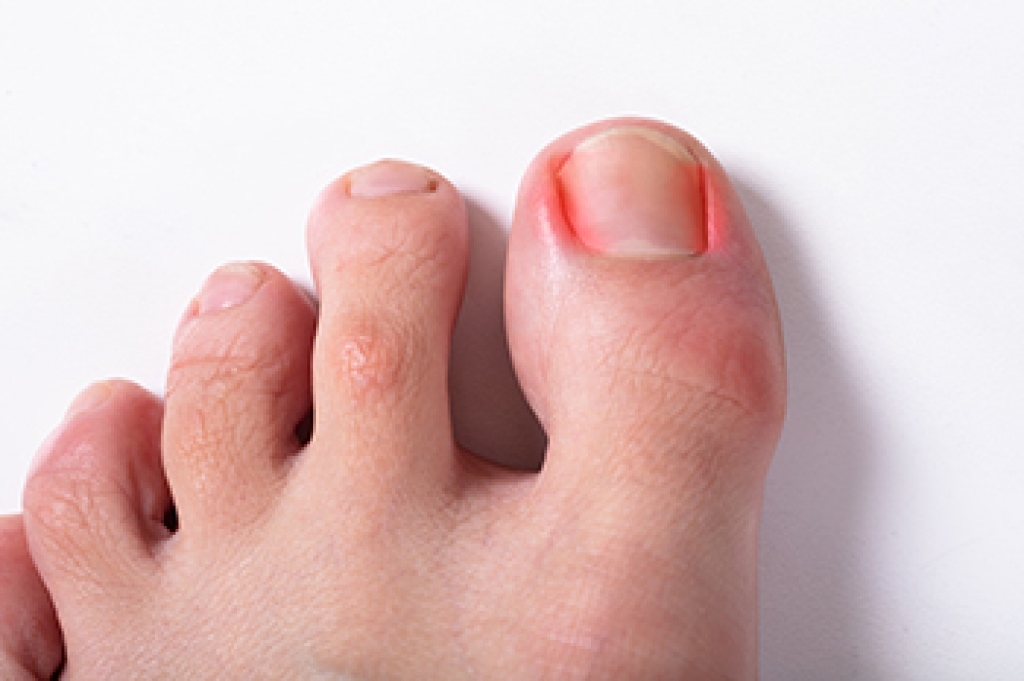
Ingrown toenails are a frequent problem and studies show they tend to affect men more often than women. The nail grows into the skin at the edge, leading to pain, swelling, and sometimes infection. While trimming the nail properly, soaking the foot, and wearing wide shoes can bring relief, these conservative steps do not always stop the condition from coming back. For many people, surgical correction offers a more reliable long-term outcome by removing part of the nail or reshaping the nail bed. In addition to wearing tight footwear and improper toenail cutting, ingrown nails may also develop from underlying medical conditions, poor foot hygiene, or even certain medications that alter nail growth. If you struggle with recurring ingrown toenails or notice signs of infection, it is suggested that you schedule an appointment with a podiatrist to explore the most effective treatment.

Ingrown toenails can become painful if they are not treated properly. For more information about ingrown toenails, contact Arkady Kaplansky, DPM of California. Our doctor can provide the care you need to keep you pain-free and on your feet.

Ingrown Toenails

Ingrown toenails occur when a toenail grows sideways into the bed of the nail, causing pain, swelling, and possibly infection.

Causes

  • Bacterial infections
  • Improper nail cutting such as cutting it too short or not straight across
  • Trauma to the toe, such as stubbing, which causes the nail to grow back irregularly
  • Ill-fitting shoes that bunch the toes too close together
  • Genetic predisposition

Prevention

Wearing proper fitting shoes and using proper cutting techniques will also help decrease your risk of developing ingrown toenails.

Treatment

Ingrown toenails are a very treatable foot condition. In minor cases, soaking the affected area in salt or antibacterial soaps will not only help with the ingrown nail itself, but also help prevent any infections from occurring. In more severe cases, surgery is an option. In either case, speaking to your podiatrist about this condition will help you get a better understanding of specific treatment options that are right for you.

If you have any questions, please feel free to contact our office located in Los Angeles, CA . We offer the newest diagnostic and treatment technologies for all your foot care needs.
Read more about Ingrown Toenail Care

Why Some Foot Wounds Do Not Heal

When a cut or sore on the foot lingers without getting better, it may be a sign of an underlying issue. Poor circulation can limit blood flow, slowing down the delivery of oxygen and nutrients needed for repair. Diabetes is another common factor, as high blood sugar often interferes with healing and raises the risk of infection. Sometimes, wounds fail to improve because of constant pressure or rubbing from footwear, which keeps reopening the skin. Nerve damage may also play a role, as people may not feel the injury worsening. In addition, not caring for the wound properly at the start, such as failing to clean it, cover it, or watch for signs of infection, can make recovery much harder. Delaying care for a non-healing wound can lead to serious complications. If you have a foot wound that is not improving, it is suggested that you see a podiatrist for an evaluation and appropriate treatment.

Wound care is an important part in dealing with diabetes. If you have diabetes and a foot wound or would like more information about wound care for diabetics, consult with Arkady Kaplansky, DPM from California. Our doctor will assess your condition and provide you with quality foot and ankle treatment.

What Is Wound Care?

Wound care is the practice of taking proper care of a wound. This can range from the smallest to the largest of wounds. While everyone can benefit from proper wound care, it is much more important for diabetics. Diabetics often suffer from poor blood circulation which causes wounds to heal much slower than they would in a non-diabetic. 

What Is the Importance of Wound Care?

While it may not seem apparent with small ulcers on the foot, for diabetics, any size ulcer can become infected. Diabetics often also suffer from neuropathy, or nerve loss. This means they might not even feel when they have an ulcer on their foot. If the wound becomes severely infected, amputation may be necessary. Therefore, it is of the upmost importance to properly care for any and all foot wounds.

How to Care for Wounds

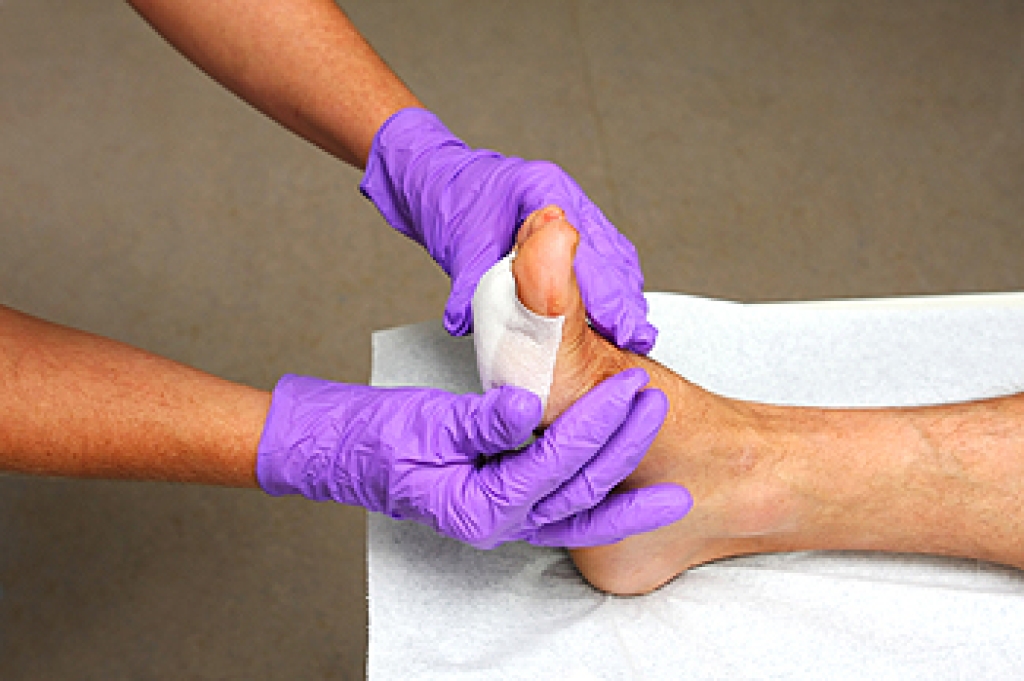
The best way to care for foot wounds is to prevent them. For diabetics, this means daily inspections of the feet for any signs of abnormalities or ulcers. It is also recommended to see a podiatrist several times a year for a foot inspection. If you do have an ulcer, run the wound under water to clear dirt from the wound; then apply antibiotic ointment to the wound and cover with a bandage. Bandages should be changed daily and keeping pressure off the wound is smart. It is advised to see a podiatrist, who can keep an eye on it.

If you have any questions please contact our office located in Los Angeles, CA . We offer the newest diagnostic and treatment technologies for all your foot and ankle needs.

Read more about Wound Care

Signs of Peripheral Artery Disease in the Feet

Peripheral artery disease, or PAD, affects the blood vessels that supply the feet and ankles. It reduces circulation and limits oxygen delivery to these tissues. Early signs of peripheral artery disease include cold feet, diminished hair growth on the toes, or a weak pulse in the ankles. As peripheral artery disease progresses, cramping or pain in the feet during walking that improves with rest can occur. More advanced cases of PAD can cause persistent pain in the feet at night, skin that appears pale or bluish, and wounds on the toes or heels that are slow to heal. In severe cases, ulcers or tissue loss may occur, which raises the risk of infection and possible limb loss, if left untreated. A podiatrist can detect PAD by examining the feet, checking circulation, and ordering diagnostic tests when needed. If you have symptoms of peripheral artery disease affecting the feet, it is suggested that you schedule an appointment with a podiatrist for a diagnosis and appropriate treatment.

Peripheral artery disease can pose a serious risk to your health. It can increase the risk of stroke and heart attack. If you have symptoms of peripheral artery disease, consult with Arkady Kaplansky, DPM from California. Our doctor will assess your condition and provide you with quality foot and ankle treatment.

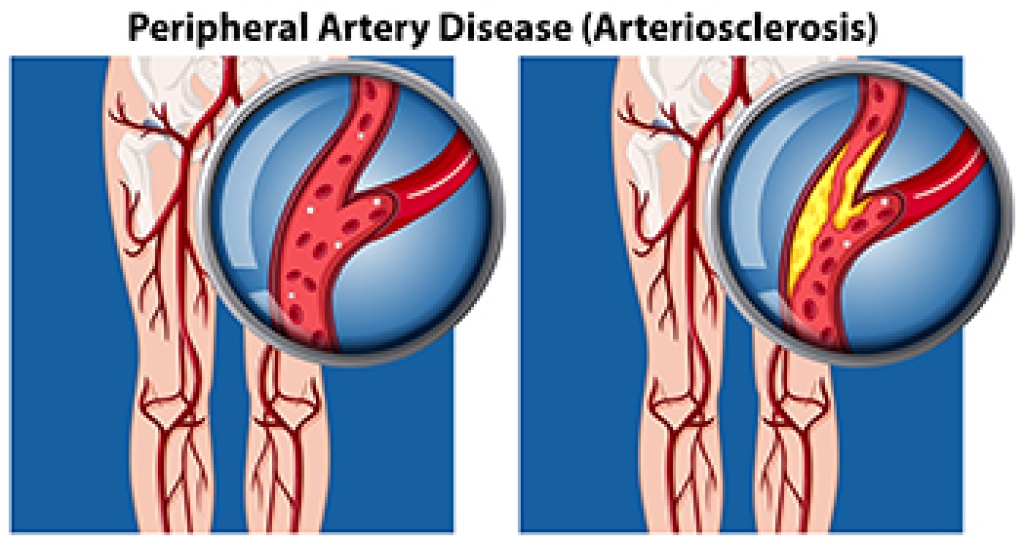
Peripheral artery disease (PAD) is when arteries are constricted due to plaque (fatty deposits) build-up. This results in less blood flow to the legs and other extremities. The main cause of PAD is atherosclerosis, in which plaque builds up in the arteries.

Symptoms

Symptoms of PAD include:

  • Claudication (leg pain from walking)
  • Numbness in legs
  • Decrease in growth of leg hair and toenails
  • Paleness of the skin
  • Erectile dysfunction
  • Sores and wounds on legs and feet that won’t heal
  • Coldness in one leg

It is important to note that a majority of individuals never show any symptoms of PAD.

Diagnosis

While PAD occurs in the legs and arteries, Podiatrists can diagnose PAD. Podiatrists utilize a test called an ankle-brachial index (ABI). An ABI test compares blood pressure in your arm to you ankle to see if any abnormality occurs. Ultrasound and imaging devices may also be used.

Treatment

Fortunately, lifestyle changes such as maintaining a healthy diet, exercising, managing cholesterol and blood sugar levels, and quitting smoking, can all treat PAD. Medications that prevent clots from occurring can be prescribed. Finally, in some cases, surgery may be recommended.

If you have any questions, please feel free to contact our office located in Los Angeles, CA . We offer the newest diagnostic and treatment technologies for all your foot care needs.

Read more about Peripheral Artery Disease

Why Live with Pain and Numbness in Your Feet?

Suffering from this type of pain? You may have the foot condition known as Morton's neuroma. Morton's neuroma may develop as a result of ill-fitting footwear and existing foot deformities. We can help.

scroll to top