Ankle Osteoarthritis and the Impact of Past Injuries

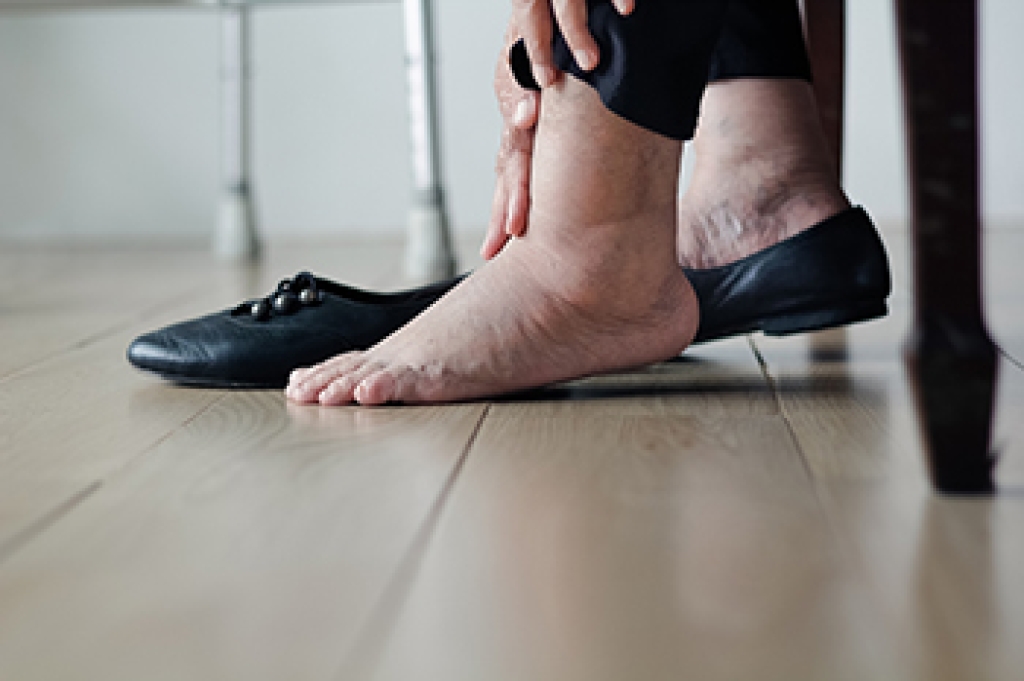
Osteoarthritis of the ankle is a degenerative joint condition that occurs when the protective cartilage within the ankle joint gradually wears down. This leads to bone-on-bone contact, resulting in pain, stiffness, and reduced mobility. Unlike other joints, ankle osteoarthritis is often linked to prior injury rather than age alone. Ankle trauma, including fractures and sprains, can disrupt joint alignment and increase the risk of long-term damage. Understanding the definition and causes of ankle osteoarthritis can help individuals recognize early signs and seek proper care.

Symptoms of osteoarthritis in the ankle include persistent pain, swelling, stiffness, and limited range of motion. These symptoms may worsen with activity and improve with rest, but discomfort can become more constant. Individuals may also experience a grinding sensation within the joint or difficulty walking on uneven surfaces. These changes can affect daily activities and reduce overall quality of life if left untreated. Early identification of symptoms is important for managing progression.


Risk factors for ankle osteoarthritis often involve a history of injury. Ankle sprains, which are among the most common athletic injuries, can weaken ligaments and lead to joint instability. Repeated trauma or improper healing can accelerate cartilage breakdown. Additional risk factors include high-impact sports, excess body weight, and poor joint alignment. These factors place increased stress on the ankle and contribute to gradual joint degeneration. Recognizing these risks allow for better prevention strategies.


Managing ankle osteoarthritis involves reducing stress on the joint and maintaining mobility through supportive care. Wearing stable footwear, engaging in low-impact exercise, and addressing previous injuries can help protect the ankle. Early treatment can slow progression and improve comfort. If you have symptoms of osteoarthritis in your ankles, it is suggested that you consult a podiatrist for effective relief and management solutions. 

Arthritis can be a difficult condition to live with. If you are seeking treatment, contact Arkady Kaplansky, DPM from California. Our doctor can provide the care you need to keep you pain-free and on your feet.

Arthritic Foot Care  

Arthritis is a joint disorder that involves the inflammation of different joints in your body, such as those in your feet. Arthritis is often caused by a degenerative joint disease and causes mild to severe pain in all affected areas. In addition to this, swelling and stiffness in the affected joints can also be a common symptom of arthritis.

In many cases, wearing ill-fitting shoes can worsen the effects and pain of arthritis. Wearing shoes that have a lower heel and extra room can help your feet feel more comfortable. In cases of rheumatoid arthritis, the arch in your foot may become problematic. Buying shoes with proper arch support that contour to your feet can help immensely.

Alleviating Arthritic Pain

  • Exercises that stretch the foot can prevent further pain and injury and increase mobility
  • Most of the pain can be alleviated with anti-inflammatory drugs, heat, and topical medications
  • Massages can help temporarily alleviate pain.

It is best to see your doctor for the treatment that is right for your needs and symptoms. Conditions vary, and a podiatrist can help you determine the right method of care for your feet.

If you have any questions please feel free to contact our office located in Los Angeles, CA . We offer the newest diagnostic tools and technology to treat your foot and ankle needs.

Read more about Arthritic Foot Care

What Causes Pain in the Ball of the Foot?

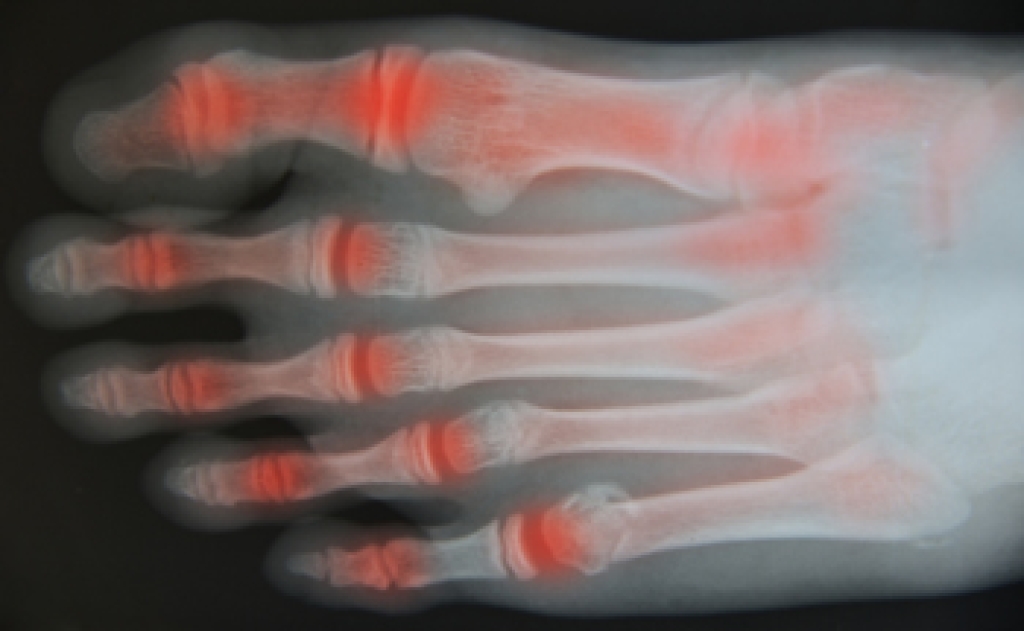
Pain in the ball of the foot develops when the area behind the toes bears too much pressure. Symptoms include burning, aching, or sharp pain. Tingling or numbness in the toes may also occur. The feeling that a small stone is trapped beneath the foot is common. Discomfort can build gradually and make standing, walking, or exercising difficult. Although the pain occurs in one area, several problems can cause it. A proper diagnosis is important because treatment should address the source of the pressure rather than the discomfort alone.

Possible causes include high-impact sports, excess body weight, and wearing shoes with a narrow toe box. High heels can shift body weight forward and place added stress on the forefoot. Arthritis, diabetes, or changes in foot shape can also contribute to pain. A bunion or hammertoe can alter how weight moves across the foot. Calluses, an irritated nerve, or a stress fracture may produce similar symptoms. Sudden severe pain, swelling, or an inability to bear weight requires prompt medical attention. Patients should also seek care when pain begins without an obvious injury or continues to limit normal activities.

A podiatrist can examine the foot, study how the patient walks, and locate areas of increased pressure. X-rays or other imaging can help identify bone injuries, joint changes, or soft-tissue problems. Based on the findings, treatment options include custom orthotics to improve weight distribution. A podiatrist can also recommend shoes with proper cushioning, support, and enough room for the toes. Padding or off-loading devices can reduce pressure on the painful area. In some cases, an injection can reduce inflammation and provide relief. Regular follow-up visits allow the podiatrist to check progress and adjust the treatment plan, as needed. If you have pain in the ball of the foot, it is suggested that you schedule an appointment with a podiatrist for a diagnosis and appropriate treatment.

Foot Pain

Foot pain can be extremely painful and debilitating. If you have a foot pain, consult with Arkady Kaplansky, DPM from California. Our doctor will assess your condition and provide you with quality foot and ankle treatment.

Causes

Foot pain is a very broad condition that could be caused by one or more ailments. The most common include:

  • Bunions
  • Hammertoes
  • Plantar Fasciitis
  • Bone Spurs
  • Corns
  • Tarsal Tunnel Syndrome
  • Ingrown Toenails
  • Arthritis (such as Gout, Rheumatoid, and Osteoarthritis)
  • Flat Feet
  • Injury (from stress fractures, broken toe, foot, ankle, Achilles tendon ruptures, and sprains)
  • And more

Diagnosis

To figure out the cause of foot pain, podiatrists utilize several different methods. This can range from simple visual inspections and sensation tests to X-rays and MRI scans. Prior medical history, family medical history, and any recent physical traumatic events will all be taken into consideration for a proper diagnosis.

Treatment

Treatment depends upon the cause of the foot pain. Whether it is resting, staying off the foot, or having surgery; podiatrists have a number of treatment options available for foot pain.

If you have any questions, please feel free to contact our office located in Los Angeles, CA . We offer the newest diagnostic and treatment technologies for all your foot care needs.

Read more about Foot Pain

Heel Pain May Indicate Plantar Fasciitis

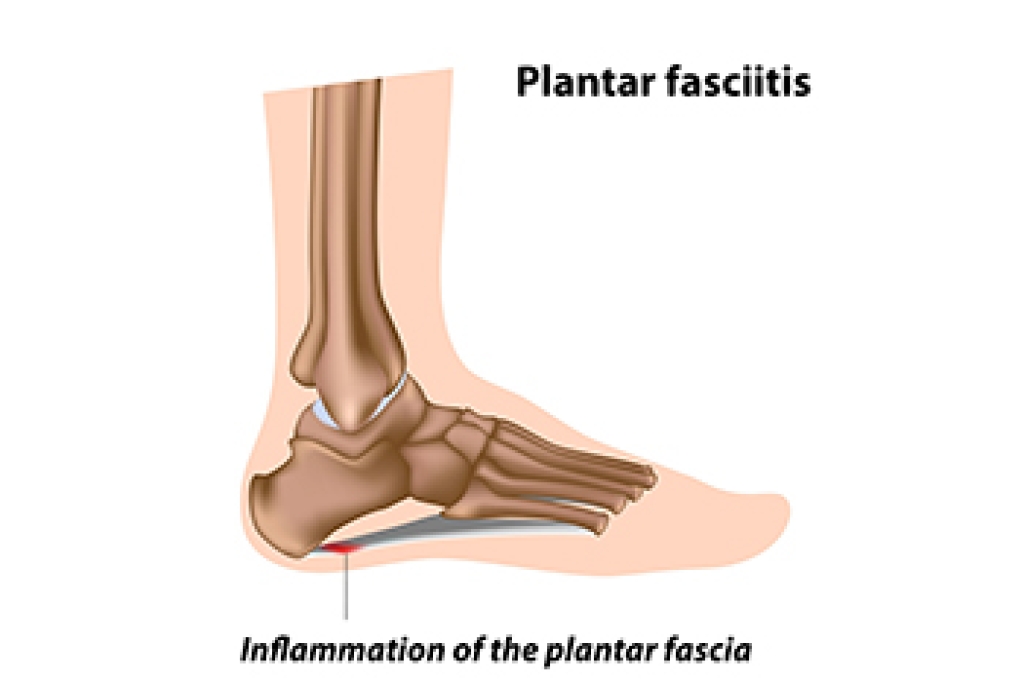
Plantar fasciitis is a common cause of heel pain that affects the thick band of tissue called the plantar fascia. This tissue runs along the bottom of the foot and supports the arch. The condition develops when the plantar fascia becomes irritated or inflamed due to repeated stress. It is often seen in individuals who spend long hours standing or walking. Understanding the definition and causes of plantar fasciitis can help individuals take early steps toward relief and prevention.

Symptoms of plantar fasciitis typically include sharp heel pain, especially with the first steps in the morning. The pain may decrease with movement, but can return after long periods of standing or activity. Some individuals notice stiffness along the bottom of the foot or a burning sensation near the heel. Tenderness when pressing on the heel is also common. These symptoms can interfere with daily routines and reduce mobility if not managed properly.


Several risk factors increase the likelihood of developing plantar fasciitis. Flat feet, high arches, and improper foot alignment can place added strain on the plantar fascia. Wearing unsupportive shoes or shoes with poor cushioning can worsen the condition. Other contributing factors include obesity, tight calf muscles, and sudden increases in physical activity. Repetitive stress on hard surfaces can also lead to inflammation and discomfort over time.


Managing plantar fasciitis involves reducing stress on the foot and supporting proper alignment. Wearing supportive shoes with good arch support and cushioning can help relieve pressure. Stretching exercises for the calf and foot may improve flexibility and reduce strain. Rest and gradual return to activity can support healing. Early care can prevent chronic pain and improve function. If you have heel pain, it is strongly suggested that you consult a podiatrist who can accurately diagnose and treat plantar fasciitis.

Plantar fasciitis is a common foot condition that is often caused by a strain injury. If you are experiencing heel pain or symptoms of plantar fasciitis, contact Arkady Kaplansky, DPM from California. Our doctor can provide the care you need to keep you pain-free and on your feet.

What Is Plantar Fasciitis?

Plantar fasciitis is one of the most common causes of heel pain. The plantar fascia is a ligament that connects your heel to the front of your foot. When this ligament becomes inflamed, plantar fasciitis is the result. If you have plantar fasciitis you will have a stabbing pain that usually occurs with your first steps in the morning. As the day progresses and you walk around more, this pain will start to disappear, but it will return after long periods of standing or sitting.

What Causes Plantar Fasciitis?

  • Excessive running
  • Having high arches in your feet
  • Other foot issues such as flat feet
  • Pregnancy (due to the sudden weight gain)
  • Being on your feet very often

There are some risk factors that may make you more likely to develop plantar fasciitis compared to others. The condition most commonly affects adults between the ages of 40 and 60. It also tends to affect people who are obese because the extra pounds result in extra stress being placed on the plantar fascia.

Prevention

  • Take good care of your feet – Wear shoes that have good arch support and heel cushioning.
  • Maintain a healthy weight
  • If you are a runner, alternate running with other sports that won’t cause heel pain

There are a variety of treatment options available for plantar fasciitis along with the pain that accompanies it. Additionally, physical therapy is a very important component in the treatment process. It is important that you meet with your podiatrist to determine which treatment option is best for you.

If you have any questions, please feel free to contact our office located in Los Angeles, CA . We offer the newest diagnostic and treatment technologies for all your foot care needs.
 

Read more about Plantar Fasciitis

Inspect Your Feet Regularly for Abnormalities if You're Diabetic

Diabetic patients often have decreased sensitivity in their feet, which makes a visual inspection of the feet even more important. If you're diabetic, having periodic screenings is extremely important for maintaining the overall health of your feet. 

scroll to top