
The Difference Between a Sprained and Broken Ankle

Ankle injuries are common, and it can be difficult to tell the difference between a sprain and a break. A sprained ankle occurs when the ligaments are stretched or torn, often from twisting or rolling the foot during sports or walking on uneven ground. A broken ankle, or fracture, happens when one or more bones in the ankle joint break, usually from a fall, direct impact, or severe twisting injury. Symptoms of both include pain, swelling, bruising, and difficulty walking. However, a break may cause more intense pain, visible deformity, or an inability to bear weight at all. The area might feel tender to the touch and appear misshapen or unstable. A podiatrist can perform a physical exam, take X-rays, and determine whether the injury is a sprain or fracture. Treatment may involve rest, bracing, targeted exercises, or, in some cases, surgery. If you have injured your ankle, it is suggested that you schedule an appointment with a podiatrist for appropriate treatment solutions.

Broken ankles need immediate treatment. If you are seeking treatment, contact Arkady Kaplansky, DPM from California. Our doctor can provide the care you need to keep you pain-free and on your feet. 

Broken Ankles
A broken ankle is experienced when a person fractures their tibia or fibula in the lower leg and ankle area. Both of these bones are attached at the bottom of the leg and combine to form what we know to be our ankle.

When a physician is referring to a break of the ankle, he or she is usually referring to a break in the area where the tibia and fibula are joined to create our ankle joint. Ankles are more prone to fractures because the ankle is an area that suffers a lot of pressure and stress. There are some obvious signs when a person experiences a fractured ankle, and the following symptoms may be present.

Symptoms of a Fractured Ankle

  • Excessive pain when the area is touched or when any pressure is placed on the ankle
  • Swelling around the area
  • Bruising of the area
  • Area appears to be deformed

If you suspect an ankle fracture, it is recommended to seek treatment as soon as possible. The sooner you have your podiatrist diagnose the fracture, the quicker you’ll be on the way towards recovery.

If you have any questions, please feel free to contact our office located in Los Angeles, CA . We offer the newest diagnostic and treatment technologies for all your foot care needs.
Read more about All About Broken Ankles

Gout and Managing It Effectively

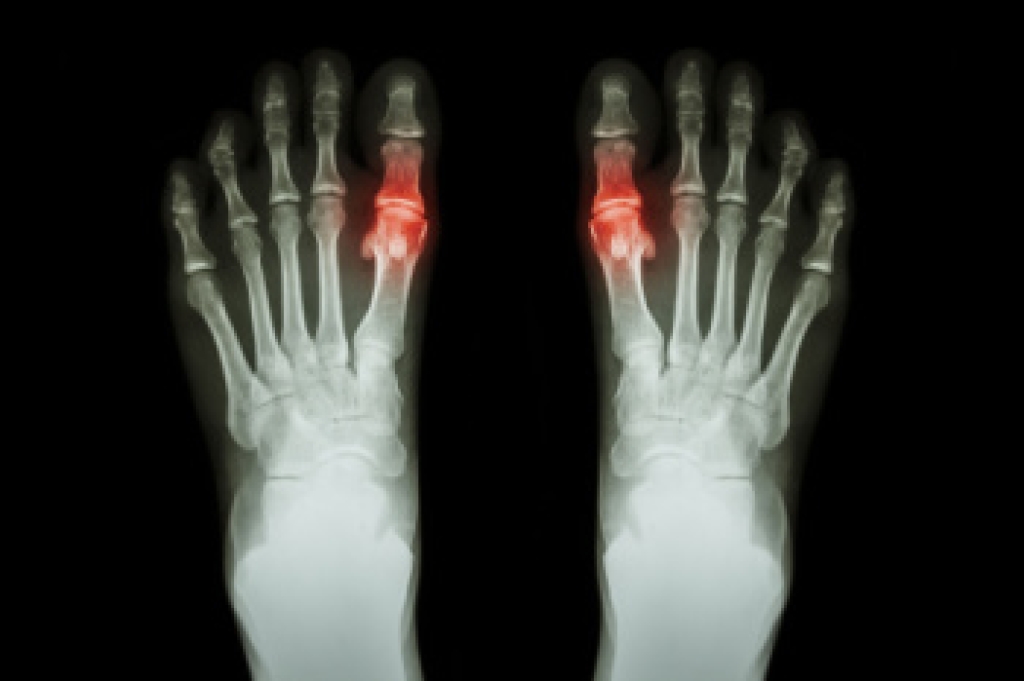
Gout is a form of inflammatory arthritis caused by a buildup of uric acid in the bloodstream, leading to the formation of sharp crystals in the joints. It most often affects the big toe, causing sudden and intense pain, redness, swelling, and warmth. Risk factors include genetics, obesity, an overabundance of uric acid, and certain medical conditions. High levels of uric acid can result from diet, poor kidney function, or lifestyle habits. A podiatrist can help diagnose gout, manage painful flare-ups, and recommend changes to reduce recurrence. Gout can be extremely painful and may cause difficulty in completing daily activities. If you have sudden pain in your big toe, it is strongly suggested that you seek the care of a podiatrist who can help you manage this uncomfortable condition.

Gout is a foot condition that requires certain treatment and care. If you are seeking treatment, contact Arkady Kaplansky, DPM from California. Our doctor will treat your foot and ankle needs.

What Is Gout?

Gout is a type of arthritis caused by a buildup of uric acid in the bloodstream. It often develops in the foot, especially the big toe area, although it can manifest in other parts of the body as well. Gout can make walking and standing very painful and is especially common in diabetics and the obese.

People typically get gout because of a poor diet. Genetic predisposition is also a factor. The children of parents who have had gout frequently have a chance of developing it themselves.

Gout can easily be identified by redness and inflammation of the big toe and the surrounding areas of the foot. Other symptoms include extreme fatigue, joint pain, and running high fevers. Sometimes corticosteroid drugs can be prescribed to treat gout, but the best way to combat this disease is to get more exercise and eat a better diet.

If you have any questions, please feel free to contact our office located in Los Angeles, CA . We offer the newest diagnostic and treatment technologies for all your foot care needs.

Read more about Everything You Need to Know About Gout

Causes and Podiatric Care for Blisters on the Feet

Foot blisters are small fluid-filled sacs that develop on the skin, often due to friction from shoes, excessive moisture, or heat. Common causes include wearing new or ill-fitting footwear, prolonged walking or running, and burns. Athletes often get blisters from repetitive friction on their skin from shoes rubbing against the feet. Blisters can feel painful, tender, or irritated, especially when pressure is applied. Blisters may appear as clear, raised bumps, but if they become red, cloudy, or filled with pus, infection may be present. Symptoms like multiple blisters, spreading redness, warmth, or fever can signal a more serious condition that needs professional care. A podiatrist can safely drain large or painful blisters, treat any infection with antibiotics, and provide advice on blister prevention. They may also recommend protective padding or custom orthotics to reduce pressure and friction. If you have a bothersome foot blister, it is suggested that you schedule an appointment with a podiatrist.

Blisters are prone to making everyday activities extremely uncomfortable. If your feet are hurting, contact Arkady Kaplansky, DPM of California. Our doctor can provide the care you need to keep you pain-free and on your feet.

Foot Blisters

Foot blisters develop as a result of constantly wearing tight or ill-fitting footwear. This happens due to the constant rubbing from the shoe, which can often lead to pain.

What Are Foot Blisters?

A foot blister is a small fluid-filled pocket that forms on the upper-most layer of the skin. Blisters are filled with clear fluid and can lead to blood drainage or pus if the area becomes infected.

How Do Blisters Form?

Blisters on the feet are often the result of constant friction of skin and material, usually by shoe rubbing. Walking in sandals, boots, or shoes that don’t fit properly for long periods of time can result in a blister. Having consistent foot moisture and humidity can easily lead to blister formation.

Prevention & Treatment

It is important to properly care for the affected area in order to prevent infection and ease the pain. Do not lance the blister and use a Band-Aid to provide pain relief. Also, be sure to keep your feet dry and wear proper fitting shoes. If you see blood or pus in a blister, seek assistance from a podiatrist.

If you have any questions, please feel free to contact our office located in Los Angeles, CA . We offer the newest diagnostic and treatment technologies for all your foot care needs.

Read more about Blisters on the Feet

Surgical Options for Hammertoe

Hammertoe is a deformity where one or more toes bend abnormally at the middle joint, often causing pain and difficulty walking. Flexible hammertoes may respond to noninvasive treatments, but rigid cases often require surgical correction. Common procedures include tenotomy, which involves cutting a tight tendon, tendon lengthening to reduce tension and allow better toe movement, and tendon transfer, which repositions tendons to restore balance and alignment. These techniques are designed to relieve discomfort, correct hammertoe deformity, and improve function. A podiatrist can determine the severity of your condition and recommend the most suitable option. If you struggle with persistent toe pain, it is suggested that you consult a podiatrist to explore customized surgical and nonsurgical solutions for long-term relief.

Foot surgery is sometimes necessary to treat a foot ailment. To learn more, contact Arkady Kaplansky, DPM of California. Our doctor will assist you with all of your foot and ankle needs.

When Is Surgery Necessary?

Foot and ankle surgery is generally reserved for cases in which less invasive, conservative procedures have failed to alleviate the problem. Some of the cases in which surgery may be necessary include:

  • Removing foot deformities like bunions and bone spurs
  • Severe arthritis that has caused bone issues
  • Cosmetic reconstruction

What Types of Surgery Are There?

The type of surgery you receive will depend on the nature of the problem you have. Some of the possible surgeries include:

  • Bunionectomy for painful bunions
  • Surgical fusion for realignment of bones
  • Neuropathy decompression surgery to treat nerve damage

Benefits of Surgery

Although surgery is usually a last resort, it can provide more complete pain relief compared to non-surgical methods and may allow you to finally resume full activity.

Surgical techniques have also become increasingly sophisticated. Techniques like endoscopic surgery allow for smaller incisions and faster recovery times.

If you have any questions, please feel free to contact our office located in Los Angeles, CA . We offer the newest diagnostic and treatment technologies for all your foot care needs.

Read more about Foot Surgery

Are You Suffering From Nerve Damage?

Neuropathy is a condition that can lead to numbness or loss of sensation in the feet, but it can also cause pain. This condition is more likely to develop for those who are diabetic, obese, or with high blood pressure.

scroll to top