
Ball of the Foot Pain Can Signal Morton's Neuroma

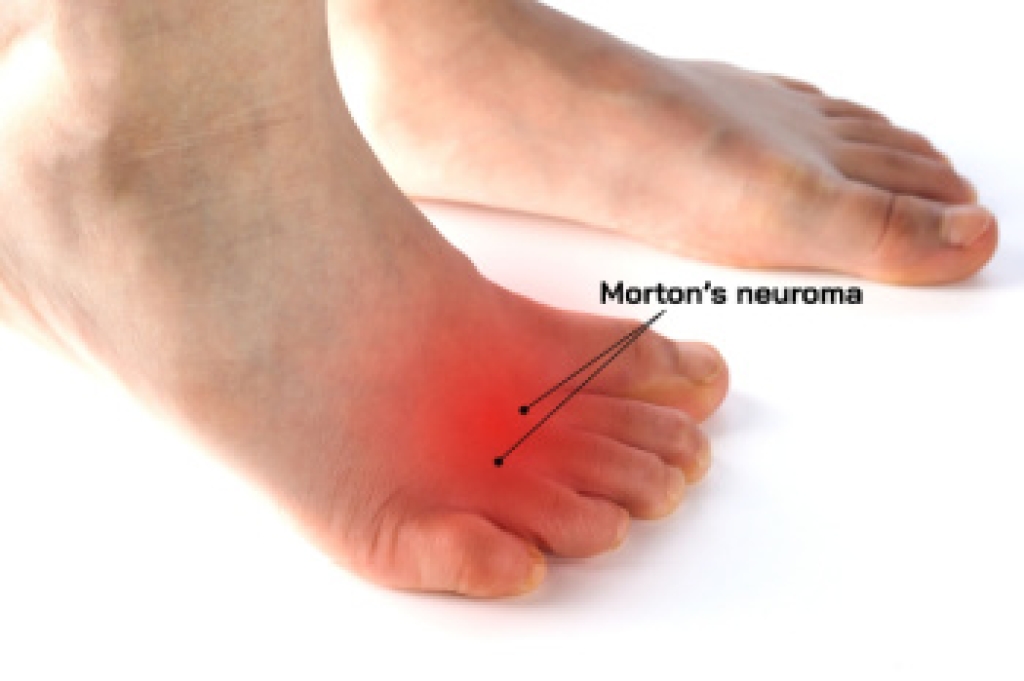
Morton's neuroma develops when scar tissue and nerve endings thicken around a nerve, usually between the third and fourth toes. This painful condition affects the front of the foot and can make every step uncomfortable, especially while walking or wearing tight shoes. Burning pain in the ball of the foot is one of the most common signs. Tingling and numbness in the toes also occur. Many patients describe the feeling as if they are standing on a small pebble or a folded sock inside the shoe. Symptoms usually become worse when wearing tight shoes or shoes that lack proper support. The discomfort can gradually make walking, exercising, and even standing for long periods of time more difficult.

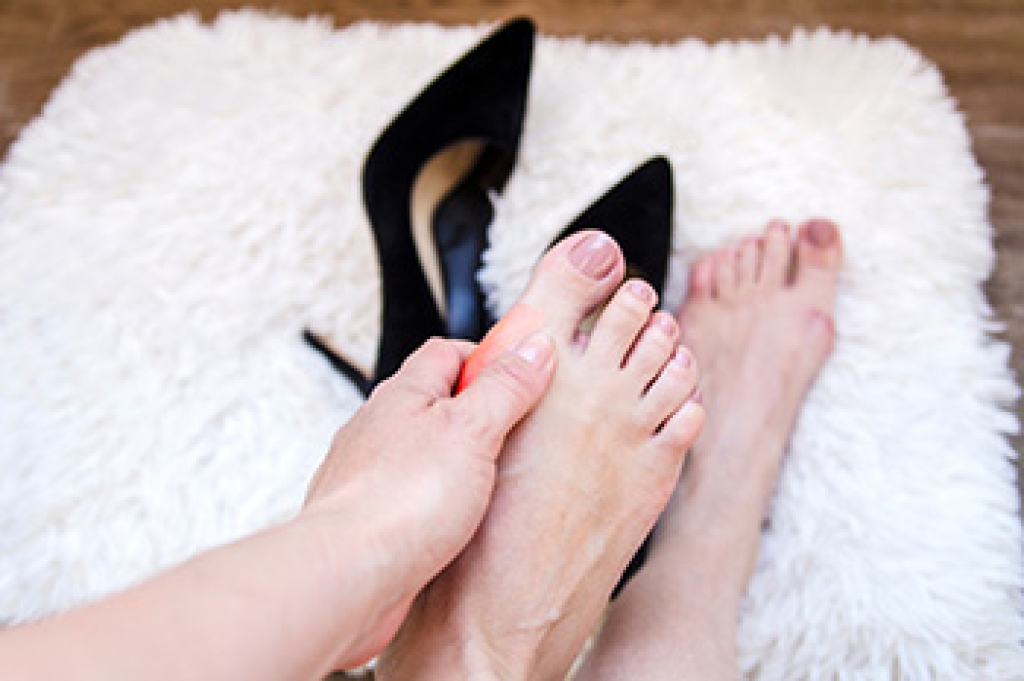
Several factors increase the risk of developing Morton's neuroma. Repeated pressure on the front of the foot is one of the leading causes. Shoes with a narrow toe box can squeeze the nerves between the toes. High-heeled shoes also increase pressure on the ball of the foot. Foot problems like bunions or flat feet can change the way weight is distributed across the foot. Sports or activities that involve repeated pushing off the toes can also contribute to irritation. 

A podiatrist can perform a careful examination of the foot and review your symptoms. Imaging tests may be ordered to help confirm the diagnosis or rule out other foot conditions. The podiatrist then creates a treatment plan based on the cause and severity of your symptoms. Professional care includes custom orthotics to reduce pressure on the affected nerve. Padding and shoe recommendations can improve comfort while walking. In some cases, injections help reduce inflammation surrounding the irritated nerve. When symptoms continue despite other treatments, surgery can remove the painful nerve or relieve pressure around it. If you have symptoms of Morton's neuroma, it is suggested that you schedule an appointment with a podiatrist for a diagnosis and appropriate treatment.

Morton’s neuroma is a very uncomfortable condition to live with. If you think you have Morton’s neuroma, contact Arkady Kaplansky, DPM of California. Our doctor will attend to all of your foot care needs and answer any of your related questions.  

Morton’s Neuroma

Morton's neuroma is a painful foot condition that commonly affects the areas between the second and third or third and fourth toe, although other areas of the foot are also susceptible. Morton’s neuroma is caused by an inflamed nerve in the foot that is being squeezed and aggravated by surrounding bones.

What Increases the Chances of Having Morton’s Neuroma?

  • Ill-fitting high heels or shoes that add pressure to the toe or foot
  • Jogging, running or any sport that involves constant impact to the foot
  • Flat feet, bunions, and any other foot deformities

Morton’s neuroma is a very treatable condition. Orthotics and shoe inserts can often be used to alleviate the pain on the forefront of the feet. In more severe cases, corticosteroids can also be prescribed. In order to figure out the best treatment for your neuroma, it’s recommended to seek the care of a podiatrist who can diagnose your condition and provide different treatment options.

If you have any questions, please feel free to contact our office located in Los Angeles, CA . We offer the newest diagnostic and treatment technologies for all your foot care needs.
Read more about Morton's Neuroma

How High Heels Affect Foot Health

High heels have long been associated with beauty, style, and confidence, but they can also place extra stress on the feet and the rest of the body. Raising the heel shifts body weight forward and increases pressure on the toes and the ball of the foot. The higher the heel, the greater the force placed on these areas. This added pressure can lead to painful problems like corns, calluses, blisters, and pinched nerves. High heels can also contribute to heel pain, stiffness, or discomfort while walking. Narrow shoes can crowd the toes and increase the risk of hammertoes and bunions, which are painful deformities of the big toe.

Unfortunately, the negative effects of high heels extend beyond the feet. Keeping the foot pointed downward places the both calf muscles and the Achilles tendon in a shortened position. This can contribute to Achilles tendon pain and Haglund's deformity, a painful bony bump on the back of the heel. Walking in high heels also changes the way the knees move and absorb force. This places extra strain on the knee joints and muscles. The hips and lower back also adjust to maintain balance. As the body's center of gravity shifts forward, the back arches more than normal.

A podiatrist can evaluate the effects wearing high heels has had on your feet and ankles and identify problems before they become more serious. Treatment includes a detailed examination, diagnostic imaging when appropriate, and recommendations for shoes that provide proper support. A podiatrist also treats bunions, hammertoes, and other conditions caused or made worse by high heels. In some cases, surgery is the best option to restore comfort and improve foot function. If you have foot or ankle pain after wearing high heels, it is suggested that you schedule an appointment with a podiatrist for a diagnosis and appropriate treatment.

High heels have a history of causing foot and ankle problems. If you have any concerns about your feet or ankles, contact Arkady Kaplansky, DPM from California. Our doctor can provide the care you need to keep you pain-free and on your feet.

Effects of High Heels on the Feet

High heels are popular shoes among women because of their many styles and societal appeal.  Despite this, high heels can still cause many health problems if worn too frequently.

Which Parts of My Body Will Be Affected by High Heels?

  • Ankle Joints
  • Achilles Tendon – May shorten and stiffen with prolonged wear
  • Balls of the Feet
  • Knees – Heels cause the knees to bend constantly, creating stress on them
  • Back – They decrease the spine’s ability to absorb shock, which may lead to back pain.  The vertebrae of the lower back may compress.

What Kinds of Foot Problems Can Develop from Wearing High Heels?

  • Corns
  • Calluses
  • Hammertoe
  • Bunions
  • Morton’s Neuroma
  • Plantar Fasciitis

How Can I Still Wear High Heels and Maintain Foot Health?

If you want to wear high heeled shoes, make sure that you are not wearing them every day, as this will help prevent long term physical problems.  Try wearing thicker heels as opposed to stilettos to distribute weight more evenly across the feet.  Always make sure you are wearing the proper shoes for the right occasion, such as sneakers for exercising.  If you walk to work, try carrying your heels with you and changing into them once you arrive at work.  Adding inserts to your heels can help cushion your feet and absorb shock. Full foot inserts or metatarsal pads are available. 

If you have any questions, please feel free to contact our office located in Los Angeles, CA . We offer the newest diagnostic and treatment technologies for all your foot care needs.
Read more about Effect of High Heels on the Feet

Why Ankle Fusion Surgery Is Performed and What to Expect

Ankle arthrodesis, also known as ankle fusion surgery, is a procedure designed to treat chronic ankle pain by permanently joining the bones of the joint. This approach is often used when cartilage damage has led to bone on bone contact, causing inflammation and limited mobility. By eliminating joint movement, the surgery reduces pain and provides a stable foundation for standing and walking. It is widely recognized as an effective treatment for advanced ankle joint disease.

During the procedure, the podiatric surgeon carefully removes the remaining cartilage and prepares the bone surfaces for fusion. The bones are then aligned in a functional position and secured with surgical hardware, such as screws or plates. In some cases, bone graft material may be used to support healing and improve fusion success. The healing process requires time, and patients typically follow a structured recovery plan that includes immobilization and a gradual return to activity.


This type of foot surgery is recommended for certain conditions, such as severe arthritis, deformity, and long term joint instability. It is also used for patients who have experienced traumatic injuries or progressive degeneration of the ankle joint. Risk factors that may lead to the need for this procedure include repeated ankle injuries, improper alignment, and chronic inflammation. When non-surgical treatments no longer provide relief, ankle arthrodesis becomes a dependable solution.


Patients who undergo ankle arthrodesis can expect improved stability and reduced pain, although some stiffness is normal due to the loss of joint motion. Many individuals return to daily activities with greater confidence and less discomfort. Long-term success depends on proper healing and supportive care. If you have severe ankle pain and are exploring this type of foot surgery, it is suggested that you seek care from a podiatrist who can determine if this type of surgery is right for you.

Foot surgery is sometimes necessary to treat a foot ailment. To learn more, contact Arkady Kaplansky, DPM of California. Our doctor will assist you with all of your foot and ankle needs.

When Is Surgery Necessary?

Foot and ankle surgery is generally reserved for cases in which less invasive, conservative procedures have failed to alleviate the problem. Some of the cases in which surgery may be necessary include:

  • Removing foot deformities like bunions and bone spurs
  • Severe arthritis that has caused bone issues
  • Cosmetic reconstruction

What Types of Surgery Are There?

The type of surgery you receive will depend on the nature of the problem you have. Some of the possible surgeries include:

  • Bunionectomy for painful bunions
  • Surgical fusion for realignment of bones
  • Neuropathy decompression surgery to treat nerve damage

Benefits of Surgery

Although surgery is usually a last resort, it can provide more complete pain relief compared to non-surgical methods and may allow you to finally resume full activity.

Surgical techniques have also become increasingly sophisticated. Techniques like endoscopic surgery allow for smaller incisions and faster recovery times.

If you have any questions, please feel free to contact our office located in Los Angeles, CA . We offer the newest diagnostic and treatment technologies for all your foot care needs.

Read more about Foot Surgery

Get Professional Care for a Broken Foot or Ankle

Constant care and regular evaluation are important for a foot or ankle fracture. If left untreated, foot or ankle fractures can worsen over time and create more serious problems.

Don't wait to be examined if you believe you've experienced a foot or ankle fracture.

scroll to top