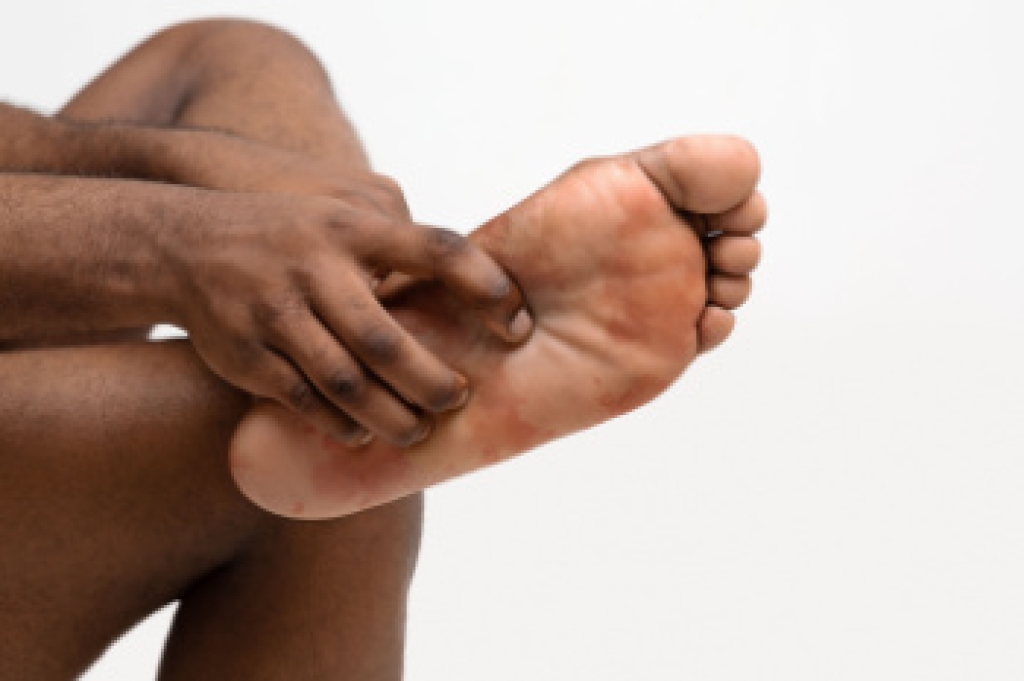
Causes and Symptoms of Plantar Fasciitis

Plantar fasciitis occurs when the thick ligament on the bottom of the foot, called the plantar fascia, becomes irritated from overuse or strain. This tissue supports the arch and helps absorb impact during walking or running. When the ligament becomes inflamed, it can cause sharp pain near the heel, especially first thing in the morning or after standing for a long time. The discomfort from plantar fasciitis may return after exercise or long periods of walking. Risk factors include being between the ages of 40 and 60, carrying excess body weight, or participating in activities that put stress on the heel, such as long-distance running or dance. The condition may affect one or both feet, depending on how much strain is placed on them. A podiatrist can diagnose plantar fasciitis through a physical exam and imaging to rule out other foot problems. If you are experiencing pain along the bottom of your feet, it is suggested that you schedule an appointment  with a podiatrist who can accurately diagnose and treat plantar fasciitis. 

Plantar fasciitis can be very painful and inconvenient. If you are experiencing heel pain or symptoms of plantar fasciitis, contact Arkady Kaplansky, DPM  from California. Our doctor can provide the care you need to keep you pain-free and on your feet.

What Is Plantar Fasciitis?

Plantar fasciitis is the inflammation of the thick band of tissue that runs along the bottom of your foot, known as the plantar fascia, and causes mild to severe heel pain.

What Causes Plantar Fasciitis?

  • Excessive running
  • Non-supportive shoes
  • Overpronation
  • Repeated stretching and tearing of the plantar fascia

How Can It Be Treated?

  • Conservative measures – anti-inflammatories, ice packs, stretching exercises, physical therapy, orthotic devices
  • Shockwave therapy – sound waves are sent to the affected area to facilitate healing and are usually used for chronic cases of plantar fasciitis
  • Surgery – usually only used as a last resort when all else fails. The plantar fascia can be surgically detached from the heel

While very treatable, plantar fasciitis is definitely not something that should be ignored. Especially in severe cases, speaking to your doctor right away is highly recommended to avoid complications and severe heel pain. Your podiatrist can work with you to provide the appropriate treatment options tailored to your condition.

If you have any questions, please feel free to contact our office located in Los Angeles, CA . We offer the newest diagnostic and treatment technologies for all your foot care needs.


Read more about Plantar Fasciitis

Flat Foot Surgery May Restore Structure and Comfort

Flat foot surgery is a procedure used to correct fallen arches when conservative treatments do not provide relief. Flat feet may result from genetics, injury, or conditions such as arthritis and tendon dysfunction. The surgery typically involves repairing tendons, realigning bones, or fusing joints to restore proper foot shape and function. Recovery time varies based on the type of procedure, but often includes rest and gradual return to activity. A podiatrist can determine if surgery is necessary after a thorough evaluation and imaging studies. They also guide patients through each phase of treatment. If flat feet are affecting your mobility or causing pain, it is suggested that you speak with a podiatrist about your options for long-term relief and improved function.

Foot surgery is sometimes necessary to treat a foot ailment. To learn more, contact Arkady Kaplansky, DPM of California. Our doctor will assist you with all of your foot and ankle needs.

When Is Surgery Necessary?

Foot and ankle surgery is generally reserved for cases in which less invasive, conservative procedures have failed to alleviate the problem. Some of the cases in which surgery may be necessary include:

  • Removing foot deformities like bunions and bone spurs
  • Severe arthritis that has caused bone issues
  • Cosmetic reconstruction

What Types of Surgery Are There?

The type of surgery you receive will depend on the nature of the problem you have. Some of the possible surgeries include:

  • Bunionectomy for painful bunions
  • Surgical fusion for realignment of bones
  • Neuropathy decompression surgery to treat nerve damage

Benefits of Surgery

Although surgery is usually a last resort, it can provide more complete pain relief compared to non-surgical methods and may allow you to finally resume full activity.

Surgical techniques have also become increasingly sophisticated. Techniques like endoscopic surgery allow for smaller incisions and faster recovery times.

If you have any questions, please feel free to contact our office located in Los Angeles, CA . We offer the newest diagnostic and treatment technologies for all your foot care needs.

Read more about Foot and Ankle Surgery

Stress Fractures of the Foot and Ankle

A stress fracture is a small crack in a bone that develops from repetitive force or overuse, often seen in the foot and ankle due to their weight-bearing role. Common causes include intense physical activity, improper footwear, or sudden increases in training. Risk factors include low bone density, poor nutrition, and foot abnormalities. Symptoms include localized pain, swelling, tenderness, and discomfort that worsens with activity. These injuries can be difficult to detect without proper imaging. A podiatrist can assess symptoms, order diagnostic tests, and develop a treatment plan. This may involve rest, supportive footwear, or custom orthotics. If you have symptoms of a foot and ankle stress fracture, it is suggested that you confer with this type of doctor for an accurate diagnosis and appropriate treatment solutions.

Activities where too much pressure is put on the feet can cause stress fractures. To learn more, contact Arkady Kaplansky, DPM from California. Our doctor can provide the care you need to keep your pain free and on your feet.

Dealing with Stress Fractures of the Foot and Ankle

Stress fractures occur in the foot and ankle when muscles in these areas weaken from too much or too little use.  The feet and ankles then lose support when walking or running from the impact of the ground. Since there is no protection, the bones receive the full impact of each step. Stress on the feet can cause cracks to form in the bones, thus creating stress fractures.

What Are Stress Fractures?

Stress fractures occur frequently in individuals whose daily activities cause great impact on the feet and ankles. Stress factors are most common among:

  • Runners                                
  • People affected with Osteoporosis
  • Tennis or basketball players
  • Gymnasts
  • High impact workouts

Symptoms

Pain from the fractures occur in the area of the fractures and can be constant or intermittent. It will often cause sharp or dull pain with swelling and tenderness. Engaging in any kind of activity which involves high impact will aggravate pain.

If you have any questions please contact our office located in Los Angeles, CA . We offer the newest diagnostic and treatment technologies for all your foot and ankle needs.

Read more about Dealing with Stress Fractures of the Foot and Ankle

Ease Painful Feet With Orthotics

Custom orthotics can be used to relieve foot pain and discomfort. They're also used to treat various foot conditions and deformities. Flat feet, bunions, and Morton's neuroma are just a few of the foot conditions that have been known to benefit from the use of orthotics.

Comfy feet are happy feet! Contact us today.

Pros and Cons of Walking With Gout

Walking is generally safe for people with gout, especially when the condition is under control. Gout commonly affects the big toe joint, but it can also involve the lesser toes and ankles. Symptoms include intense pain, redness, and swelling during flare-ups. While joint-friendly activity like walking may help reduce stiffness and maintain mobility, such activity during a flare can increase discomfort and affect function. Pain in the foot or ankle may alter a person’s walking pattern and lead to slower steps or reduced ankle movement, especially in chronic cases. During a gout flare, rest is often needed to avoid worsening inflammation in the affected joint. Once the flare subsides, gradual walking may resume with wearing supportive footwear and care to avoid strain. A podiatrist can assess joint health, suggest exercise goals, and monitor for permanent joint changes. If you have foot pain from flare-ups of gout, it is suggested that you schedule an appointment with a podiatrist for guidance regarding appropriate levels of activity.

Gout is a painful condition that can be treated. If you are seeking treatment, contact Arkady Kaplansky, DPM from California. Our doctor will treat your foot and ankle needs.

What Is Gout?

Gout is a form of arthritis that is characterized by sudden, severe attacks of pain, redness, and tenderness in the joints. The condition usually affects the joint at the base of the big toe. A gout attack can occur at any random time, such as the middle of the night while you are asleep.

Symptoms

  • Intense Joint Pain - Usually around the large joint of your big toe, and it most severe within the first four to twelve hours
  • Lingering Discomfort - Joint discomfort may last from a few days to a few weeks
  • Inflammation and Redness -Affected joints may become swollen, tender, warm and red
  • Limited Range of Motion - May experience a decrease in joint mobility

Risk Factors

  • Genetics - If family members have gout, you’re more likely to have it
  • Medications - Diuretic medications can raise uric acid levels
  • Gender/Age - Gout is more common in men until the age of 60. It is believed that estrogen protects women until that point
  • Diet - Eating red meat and shellfish increases your risk
  • Alcohol - Having more than two alcoholic drinks per day increases your risk
  • Obesity - Obese people are at a higher risk for gout

Prior to visiting your podiatrist to receive treatment for gout, there are a few things you should do beforehand. If you have gout you should write down your symptoms--including when they started and how often you experience them, important medical information you may have, and any questions you may have. Writing down these three things will help your podiatrist in assessing your specific situation so that he or she may provide the best route of treatment for you.

If you have any questions, please feel free to contact our office located in Los Angeles, CA . We offer the newest diagnostic and treatment technologies for all your foot care needs.

Read more about Gout
scroll to top