Recognizing Peripheral Arterial Disease in the Feet

Peripheral arterial disease, or PAD, is a condition that affects blood flow to the legs and feet due to narrowed or blocked arteries. Reduced circulation can lead to pain, numbness, cold feet, or slow-healing wounds, especially during walking or activity. Some people may feel cramping in the calves or feet that improves with rest. PAD is more common in older adults and those with diabetes, high blood pressure, or a history of smoking. It may also cause changes in skin color or hair loss on the legs. Left untreated, PAD increases the risk of serious complications such as foot ulcers or infections. Lifestyle changes, medications, and sometimes surgical options are used to improve circulation. If you notice pain in your feet during activity or other signs of poor circulation, it is suggested that you see a podiatrist who can assess your symptoms and recommend appropriate care.

Peripheral artery disease can pose a serious risk to your health. It can increase the risk of stroke and heart attack. If you have symptoms of peripheral artery disease, consult with Arkady Kaplansky, DPM from California. Our doctor will assess your condition and provide you with quality foot and ankle treatment.

Peripheral artery disease (PAD) is when arteries are constricted due to plaque (fatty deposits) build-up. This results in less blood flow to the legs and other extremities. The main cause of PAD is atherosclerosis, in which plaque builds up in the arteries.

Symptoms

Symptoms of PAD include:

  • Claudication (leg pain from walking)
  • Numbness in legs
  • Decrease in growth of leg hair and toenails
  • Paleness of the skin
  • Erectile dysfunction
  • Sores and wounds on legs and feet that won’t heal
  • Coldness in one leg

It is important to note that a majority of individuals never show any symptoms of PAD.

Diagnosis

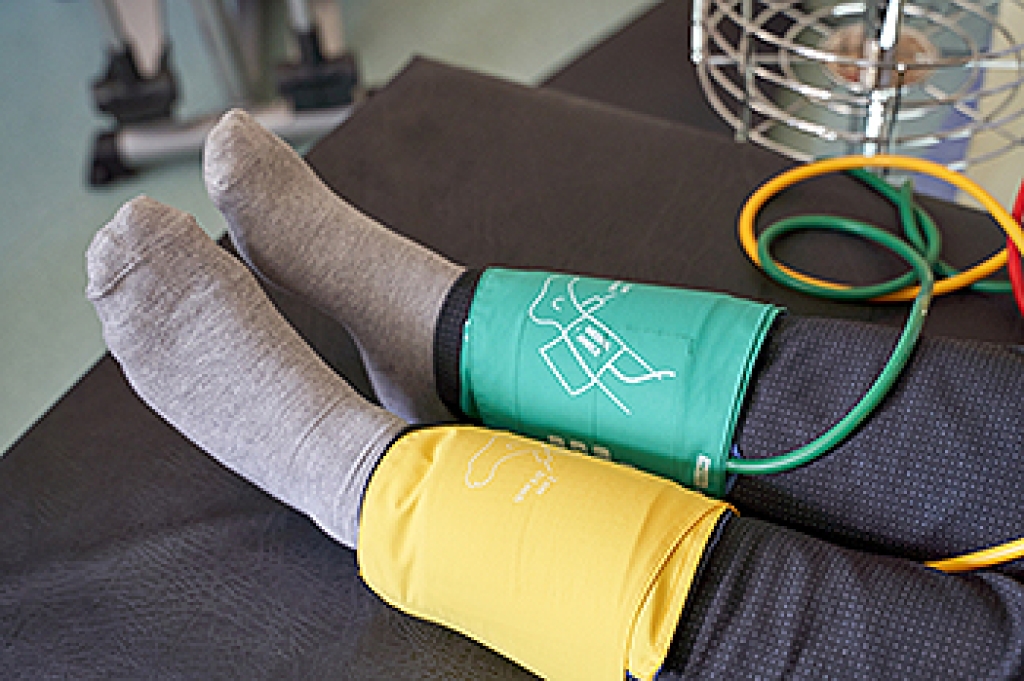
While PAD occurs in the legs and arteries, Podiatrists can diagnose PAD. Podiatrists utilize a test called an ankle-brachial index (ABI). An ABI test compares blood pressure in your arm to you ankle to see if any abnormality occurs. Ultrasound and imaging devices may also be used.

Treatment

Fortunately, lifestyle changes such as maintaining a healthy diet, exercising, managing cholesterol and blood sugar levels, and quitting smoking, can all treat PAD. Medications that prevent clots from occurring can be prescribed. Finally, in some cases, surgery may be recommended.

If you have any questions, please feel free to contact our office located in Los Angeles, CA . We offer the newest diagnostic and treatment technologies for all your foot care needs.
Read more about Peripheral Artery Disease

Helping Seniors Prevent Falls by Managing Common Risk Factors

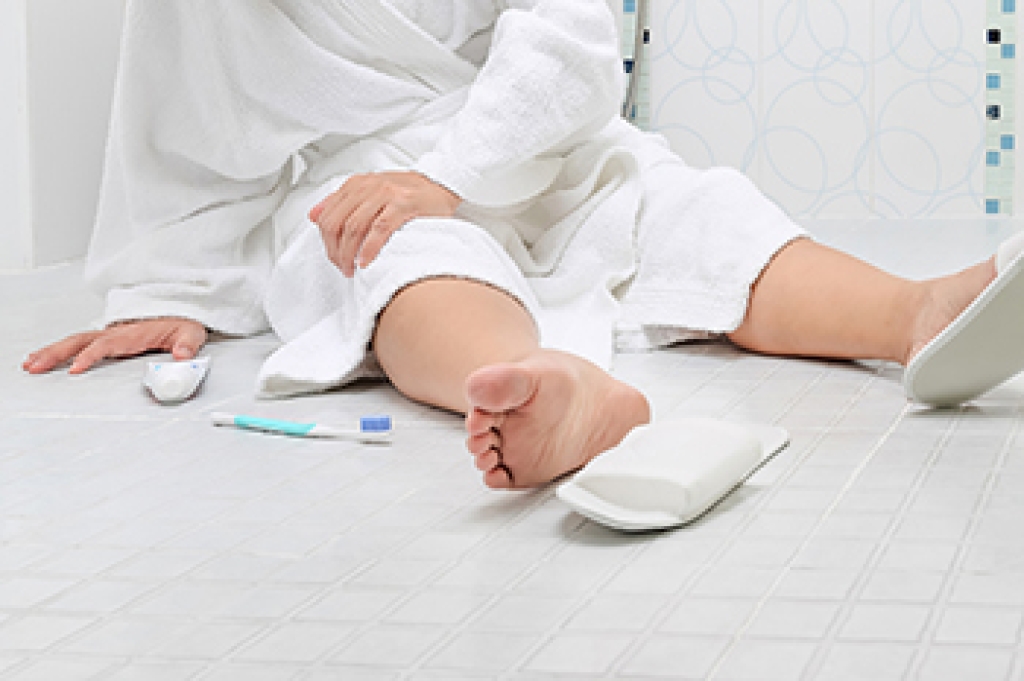
Preventing falls in the elderly requires attention to several common risk factors. Muscle weakness, especially in the legs, can negatively affect balance. Medication side effects, such as dizziness or drowsiness, may also increase fall risk. Chronic health conditions like arthritis, diabetes, or neurological disorders can interfere with mobility and coordination. Vision changes often make it harder to detect obstacles or judge distances. Inactivity over time can reduce strength and flexibility, making daily movements less steady. Additionally, risky behaviors like standing on a chair to reach high places further increase the chance of a fall. To reduce risk, older adults should stay physically active, use mobility aids when necessary, and ensure home safety. If you have fallen and injured your feet or ankles, it is suggested that you promptly contact a podiatrist who can treat various foot conditions, and guide you on additional fall prevention strategies.

Preventing falls among the elderly is very important. If you are older and have fallen or fear that you are prone to falling, consult with Arkady Kaplansky, DPM from California. Our doctor will assess your condition and provide you with quality advice and care.

Every 11 seconds, an elderly American is being treated in an emergency room for a fall related injury. Falls are the leading cause of head and hip injuries for those 65 and older. Due to decreases in strength, balance, senses, and lack of awareness, elderly persons are very susceptible to falling. Thankfully, there are a number of things older persons can do to prevent falls.

How to Prevent Falls

Some effective methods that older persons can do to prevent falls include:

  • Enrolling in strength and balance exercise program to increase balance and strength
  • Periodically having your sight and hearing checked
  • Discuss any medications you have with a doctor to see if it increases the risk of falling
  • Clearing the house of falling hazards and installing devices like grab bars and railings
  • Utilizing a walker or cane
  • Wearing shoes that provide good support and cushioning
  • Talking to family members about falling and increasing awareness

Falling can be a traumatic and embarrassing experience for elderly persons; this can make them less willing to leave the house, and less willing to talk to someone about their fears of falling. Doing such things, however, will increase the likelihood of tripping or losing one’s balance. Knowing the causes of falling and how to prevent them is the best way to mitigate the risk of serious injury.  

If you have any questions, please feel free to contact our office located in Los Angeles, CA . We offer the newest diagnostic and treatment technologies for all your foot care needs.
Read more about Falls Prevention

How Foot Care Education Helps Seniors

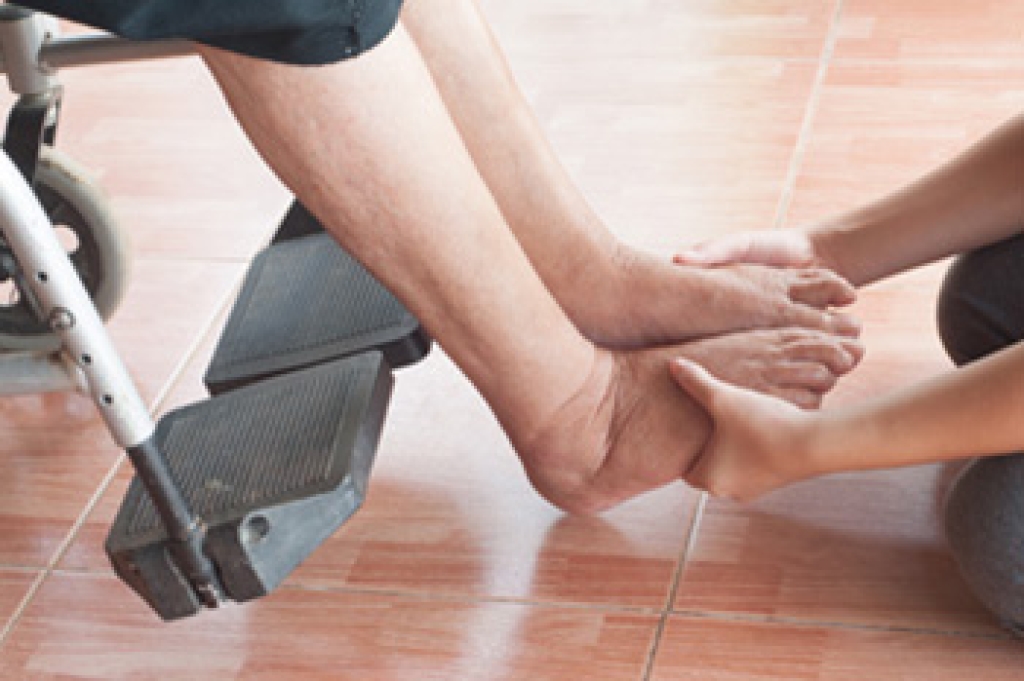
As people age, taking care of their feet becomes increasingly important. Poor foot care can lead to a variety of issues, such as infections, pain, or mobility problems, which can affect overall quality of life. Proper foot care for seniors includes daily washing and drying, regular nail clipping, and performing toe exercises to improve circulation and flexibility. Gentle foot massages can also help alleviate stiffness and promote relaxation. Wearing appropriate footwear is essential to prevent blisters, calluses, and painful conditions like bunions or heel spurs. Wearing tight, ill-fitting shoes or walking barefoot can increase the risk of falls or foot injuries. A podiatrist can provide valuable education and support in managing foot health for seniors. They can offer tailored advice on proper foot hygiene, recommend suitable footwear, and provide treatment for common issues like toenail fungus, corns, or arthritis. Regular check-ups can prevent minor issues from becoming more serious. If you are a senior, it is suggested that you schedule an appointment with a podiatrist for proper care and support.

Proper foot care is something many older adults forget to consider. If you have any concerns about your feet and ankles, contact Arkady Kaplansky, DPM from California. Our doctor can provide the care you need to keep you pain-free and on your feet.

The Elderly and Their Feet

As we age we start to notice many changes in our body, but the elder population may not notice them right away. Medical conditions may prevent the elderly to take notice of their foot health right away. Poor vision is a lead contributor to not taking action for the elderly.

Common Conditions 

  • Neuropathy – can reduce feeling in the feet and can hide many life-threatening medical conditions.
  • Reduced flexibility – prevents the ability of proper toenail trimming, and foot cleaning. If left untreated, it may lead to further medical issues.
  • Foot sores – amongst the older population can be serious before they are discovered. Some of the problematic conditions they may face are:
  • Gouging toenails affecting nearby toe
  • Shoes that don’t fit properly
  • Pressure sores
  • Loss of circulation in legs & feet
  • Edema & swelling of feet and ankles

Susceptible Infections

Diabetes and poor circulation can cause general loss of sensitivity over the years, turning a simple cut into a serious issue.

If you have any questions, please feel free to contact our office located in Los Angeles, CA . We offer the newest diagnostic and treatment technologies for all your foot care needs.

Read more about Elderly Foot Care

How Rheumatoid Arthritis Can Affect the Ankles

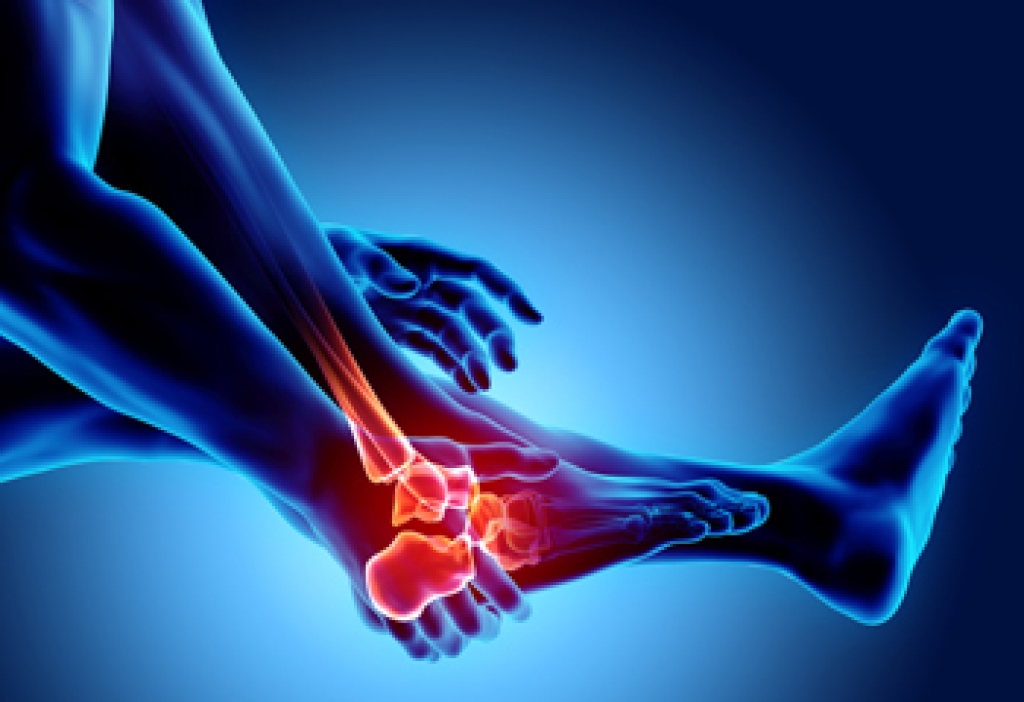
Rheumatoid arthritis that affects the ankles can result in persistent pain, swelling, and joint stiffness that interferes with daily movement. Rheumatoid arthritis causes inflammation in the synovium, a membrane that lines the ankle joints, which leads to excess fluid buildup and joint instability. As the arthritis advances, people may experience difficulty walking, numbness from nerve compression, and visible changes in ankle structure. A podiatrist can assess the severity of joint damage to determine a treatment approach. In many cases, steroid injections may be recommended to relieve inflammation. Also, bracing can help stabilize the ankle and reduce pressure on the affected joints. If symptoms continue despite conservative measures, surgery may be necessary. Ankle fusion, known as arthrodesis, involves joining the bones of the ankle to reduce pain caused by joint movement. For more advanced joint deterioration, a podiatrist may recommend total ankle replacement to restore function. If you have ankle pain that may be caused by rheumatoid arthritis, it is suggested that you schedule an appointment with a podiatrist for an exam and appropriate treatment options.

Ankle pain can be caused by a number of problems and may be potentially serious. If you have ankle pain, consult with Arkady Kaplansky, DPM from California. Our doctor will assess your condition and provide you with quality foot and ankle treatment.

Ankle pain is any condition that causes pain in the ankle. Due to the fact that the ankle consists of tendons, muscles, bones, and ligaments, ankle pain can come from a number of different conditions.

Causes

The most common causes of ankle pain include:

  • Types of arthritis (rheumatoid, osteoarthritis, and gout)
  • Ankle sprains
  • Broken ankles
  • Achilles tendonitis
  • Achilles tendon rupture
  • Stress fractures
  • Bursitis
  • Tarsal tunnel syndrome
  • Plantar fasciitis

Symptoms

Symptoms of ankle injury vary based upon the condition. Pain may include general pain and discomfort, swelling, aching, redness, bruising, burning or stabbing sensations, and/or loss of sensation.

Diagnosis

Due to the wide variety of potential causes of ankle pain, podiatrists will utilize a number of different methods to properly diagnose ankle pain. This can include asking for personal and family medical histories and of any recent injuries. Further diagnosis may include sensation tests, a physical examination, and potentially x-rays or other imaging tests.

Treatment

Just as the range of causes varies widely, so do treatments. Some more common treatments are rest, ice packs, keeping pressure off the foot, orthotics and braces, medication for inflammation and pain, and surgery.

If you have any questions please feel free to contact our office located in Los Angeles, CA . We offer the newest diagnostic tools and technology to treat your foot and ankle needs.

Read more about Ankle Pain

Plantar Warts Can Be Treated!

Plantar warts are small growths that develop on parts of the feet that bear weight. They're typically found on the bottom of the foot. Don't live with plantar warts, and call us today!

scroll to top