Dealing With a Dislocated Ankle

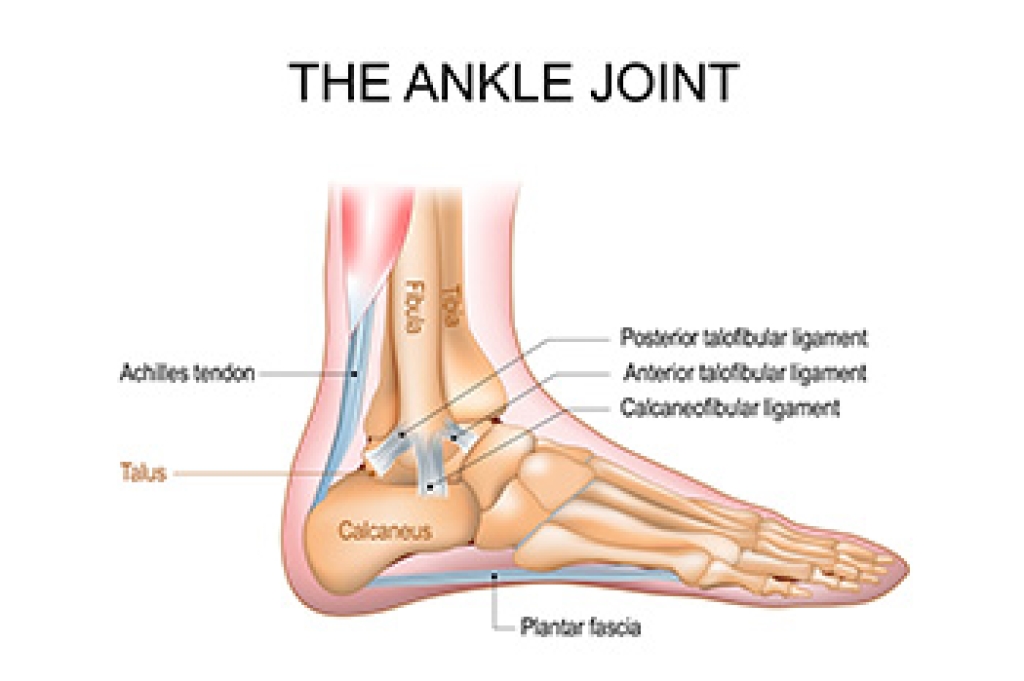
A dislocated ankle occurs when the bones of the joint move out of their normal position, usually the result of a traumatic injury. The ankle is a hinge joint that connects the lower leg to the foot and allows up-and-down motion during walking. It is supported by ligaments, or strong tissues that stabilize the joint. Dislocations often happen during falls, sports collisions, or motor-vehicle accidents. A dislocated ankle may also be linked to broken bones near the ankle. Symptoms include severe pain, swelling, bruising, visible deformity, numbness, and difficulty putting weight on the foot. If untreated, joint damage can lead to stiffness, instability, and long-term inflammation of a joint. A podiatrist can evaluate the injury and use imaging tests to determine whether the joint is dislocated. Then a treatment plan is developed to help restore proper alignment and movement. If you have severe ankle pain, it is suggested that you make an immediate appointment with a podiatrist for an exam, diagnosis, and treatment.

Ankle pain can have many different causes and the pain may potentially be serious. If you have ankle pain, consult with Arkady Kaplansky, DPM from California. Our doctor will assess your condition and provide you with quality foot and ankle treatment.

Ankle pain is any condition that causes pain in the ankle. Due to the fact that the ankle consists of tendons, muscles, bones, and ligaments, ankle pain can come from a number of different conditions.

Causes

The most common causes of ankle pain include:

  • Types of arthritis (rheumatoid, osteoarthritis, and gout)
  • Ankle sprains
  • Broken ankles
  • Achilles tendinitis
  • Achilles tendon rupture
  • Stress fractures
  • Tarsal tunnel syndrome
  • Plantar fasciitis

Symptoms

Symptoms of ankle injury vary based upon the condition. Pain may include general pain and discomfort, swelling, aching, redness, bruising, burning or stabbing sensations, and/or loss of sensation.

Diagnosis

Due to the wide variety of potential causes of ankle pain, podiatrists will utilize a number of different methods to properly diagnose ankle pain. This can include asking for personal and family medical histories and of any recent injuries. Further diagnosis may include sensation tests, a physical examination, and potentially x-rays or other imaging tests.

Treatment

Just as the range of causes varies widely, so do treatments. Some more common treatments are rest, ice packs, keeping pressure off the foot, orthotics and braces, medication for inflammation and pain, and surgery.

If you have any questions please feel free to contact our office located in Los Angeles, CA . We offer the newest diagnostic tools and technology to treat your foot and ankle needs.
Read more about Ankle Pain

Symptoms and Causes of Flat Feet

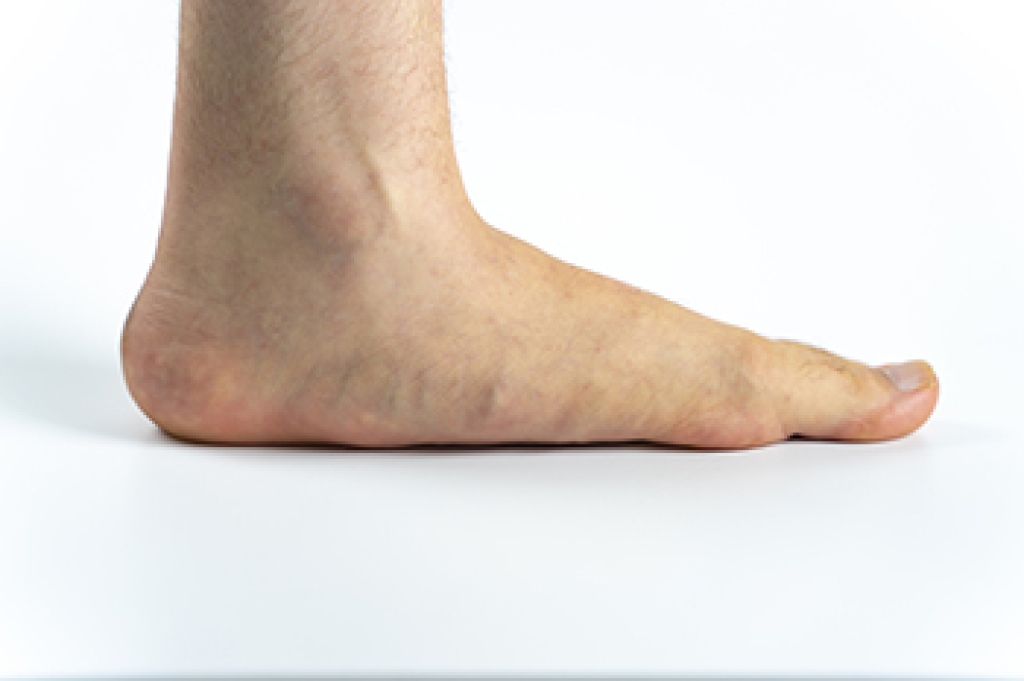
Flat feet occur when the arch on the inside of the foot is low or missing, causing most of the sole to touch the ground while standing or walking. The arch helps absorb shock and spread body weight during movement. When it flattens, the foot may roll inward and place strain on muscles and joints. Some people with flat feet have no symptoms, but others develop pain in the arch, heel, or ankle. Pain often worsens after long periods of standing or walking. Swelling along the inside of the ankle, tired feet, or shoes wearing out unevenly may also occur. Flat feet may develop when arches fail to form during childhood, or when supportive tissues weaken with age. Injury, arthritis, excess body weight, or inherited conditions can also affect foot structure. If you have flat feet, it is suggested that you make an appointment with a podiatrist for an exam, diagnosis, and treatment.

Flatfoot is a condition many people suffer from. If you have flat feet, contact Arkady Kaplansky, DPM from California. Our doctor will treat your foot and ankle needs.

What Are Flat Feet?

Flatfoot is a condition in which the arch of the foot is depressed and the sole of the foot is almost completely in contact with the ground. About 20-30% of the population generally has flat feet because their arches never formed during growth.

Conditions & Problems:

Having flat feet makes it difficult to run or walk because of the stress placed on the ankles.

Alignment – The general alignment of your legs can be disrupted, because the ankles move inward which can cause major discomfort.

Knees – If you have complications with your knees, flat feet can be a contributor to arthritis in that area.  

Symptoms

  • Pain around the heel or arch area
  • Trouble standing on the tip toe
  • Swelling around the inside of the ankle
  • Flat look to one or both feet
  • Having your shoes feel uneven when worn

Treatment

If you are experiencing pain and stress on the foot you may weaken the posterior tibial tendon, which runs around the inside of the ankle. 

If you have any questions, please feel free to contact our office located in Los Angeles, CA . We offer the newest diagnostic and treatment technologies for all your foot care needs.

Read more about Flat Feet

Clubfoot Causes and Diagnosis

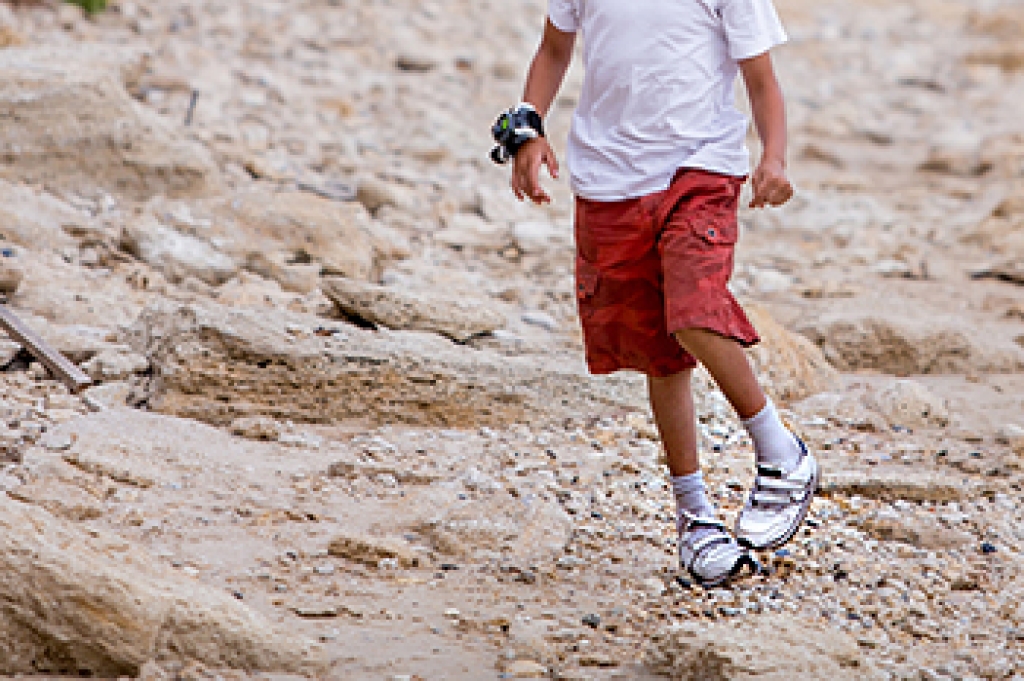
Clubfoot is a congenital condition in which a newborn foot appears twisted inward and downward due to abnormal development of muscles, tendons and ligaments. The exact cause is not always known, but genetics play a significant role and the condition may run in families. Environmental factors during pregnancy may also contribute. Diagnosis is often made at birth through a physical examination and sometimes confirmed with a prenatal ultrasound. Symptoms include a visibly rotated foot, limited range of motion, and stiffness, although the condition is not typically painful in infancy. A podiatrist provides early evaluation, guidance, and ongoing care through stretching, casting, bracing, and monitoring progress. Early treatment improves long-term mobility and function. If your child has been born with clubfoot, it is strongly suggested that you include a podiatrist on your health care team to ensure the best outcome for your child’s development.

Congenital foot problems require immediate attention to avoid future complications. If you have any concerns, contact Arkady Kaplansky, DPM of California. Our doctor can provide the care you need to keep you pain-free and on your feet.

Congenital foot problems are deformities affecting the feet, toes, and/or ankles that children are born with. Some of these conditions have a genetic cause while others just happen. Some specific foot ailments that children may be born with include clubfeet, polydactyly/macrodactyly, and cleft foot. There are several other foot anomalies that can occur congenitally. What all of these conditions have in common is that a child may experience difficulty walking or performing everyday activities, as well as trouble finding footwear that fits their foot deformity. Some of these conditions are more serious than others. Consulting with a podiatrist as early as possible will help in properly diagnosing a child’s foot condition while getting the necessary treatment underway.

What are Causes of Congenital Foot Problem?

A congenital foot problem is one that happens to a child at birth. These conditions can be caused by a genetic predisposition, developmental or positional abnormalities during gestation, or with no known cause.

What are Symptoms of Congenital Foot Problems?

Symptoms vary by the congenital condition. Symptoms may consist of the following:

  • Clubfoot, where tendons are shortened, bones are shaped differently, and the Achilles tendon is tight, causing the foot to point in and down. It is also possible for the soles of the feet to face each other.
  • Polydactyly, which usually consists of a nubbin or small lump of tissue without a bone, a toe that is partially formed but has no joints, or an extra toe.
  • Vertical talus, where the talus bone forms in the wrong position causing other bones in the foot to line up improperly, the front of the foot to point up, and the bottom of the foot to stiffen, with no arch, and to curve out.
  • Tarsal coalition, when there is an abnormal connection of two or more bones in the foot leading to severe, rigid flatfoot.
  • Cleft foot, where there are missing toes, a V-shaped cleft, and other anatomical differences.
  • Macrodactyly, when the toes are abnormally large due to overgrowth of the underlying bone or soft tissue.

Treatment and Prevention

While there is nothing one can do to prevent congenital foot problems, raising awareness and receiving neonatal screenings are important. Early detection by taking your child to a podiatrist leads to the best outcome possible.

If you have any questions, please feel free to contact our office located in Los Angeles, CA . We offer the newest diagnostic and treatment technologies for all your foot care needs.

Read more about Congenital Foot Problems

Toenails That Grow the Wrong Way

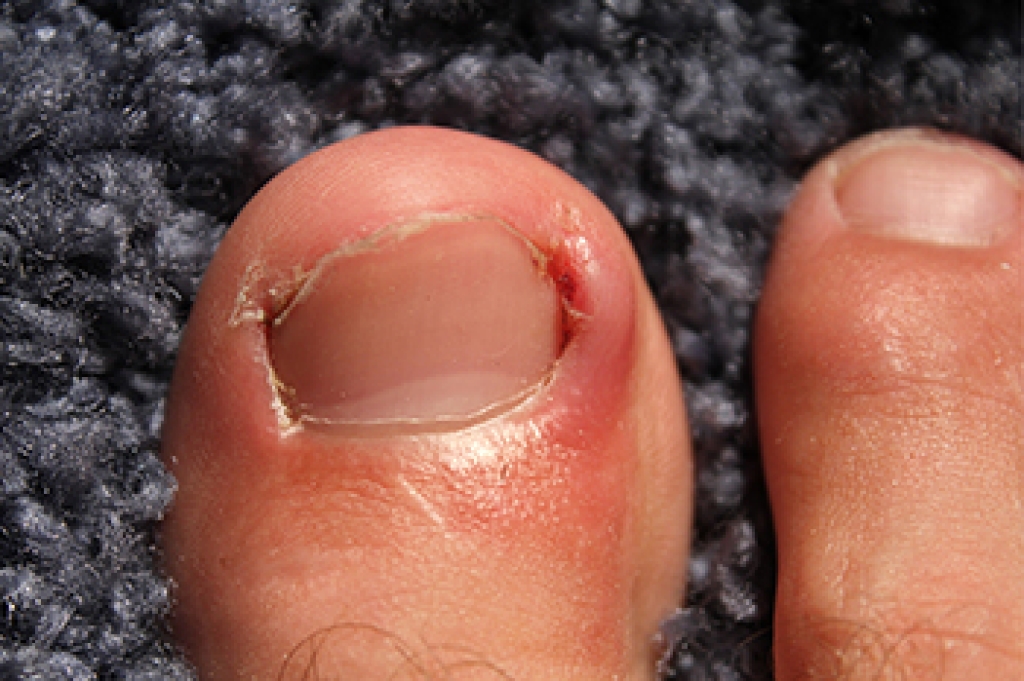
An ingrown toenail develops when the edge of the nail presses into the surrounding skin, leading to redness, swelling, and sharp pain along the border of the nail. It may look puffy or irritated and can sometimes drain if infection is present. This condition often occurs after improper trimming, tight shoes, or injury to the toe. Early treatment may include careful trimming and reducing pressure, but when the problem becomes chronic, more advanced care is needed. A traditional matrixectomy removes part of the nail root to permanently narrow the nail and prevent regrowth along the painful edge. A nail brace offers a more conservative option by gently lifting and reshaping the nail over time without removing tissue. A podiatrist will evaluate the severity, discuss health history, and recommend the most appropriate solution. If you have an ingrown toenail that continues to return or becomes infected, it is suggested that you make an appointment with a podiatrist.

Ingrown toenails may initially present themselves as a minor discomfort, but they may progress into an infection in the skin without proper treatment. For more information about ingrown toenails, contact Arkady Kaplansky, DPM of California. Our doctor can provide the care you need to keep you pain-free and on your feet.

Ingrown Toenails

Ingrown toenails are caused when the corner or side of a toenail grows into the soft flesh surrounding it. They often result in redness, swelling, pain, and in some cases, infection. This condition typically affects the big toe and may recur if it is not treated properly.

Causes

  • Improper toenail trimming
  • Genetics
  • Improper shoe fitting
  • Injury from pedicures or nail picking
  • Abnormal gait
  • Poor hygiene

You are more likely to develop an ingrown toenail if you are obese, have diabetes, arthritis, or have any fungal infection in your nails. Additionally, people who have foot or toe deformities are at a higher risk of developing an ingrown toenail.

Symptoms

Some symptoms of ingrown toenails are redness, swelling, and pain. In rare cases, there may be a yellowish drainage coming from the nail.

Treatment

Ignoring an ingrown toenail can have serious complications. Infections of the nail border can progress to a deeper soft-tissue infection, which can then turn into a bone infection. You should always speak with your podiatrist if you suspect you have an ingrown toenail, especially if you have diabetes or poor circulation.

If you have any questions, please feel free to contact our office located in Los Angeles, CA . We offer the newest diagnostic and treatment technologies for all your foot care needs.

Read more about Ingrown Toenails

Gout Pain Can Be Managed

Gout is a painful, inflammatory form of arthritis. Those affected will typically feel an intense stiffness in the joints of their feet, particularly in the big toe. Schedule a visit to learn about how gout can be managed and treated.

scroll to top