
Heel Pain and a Podiatrist’s Role in Relief

Heel pain occurs when the structures that support the foot become strained or irritated. It often develops from repeated stress on the heel, which can lead to inflammation and discomfort with daily activities. Middle aged adults, active individuals, people who are overweight, and those who stand for long periods of time are at higher risk because their heels experience greater pressure. Symptoms include sharp pain when taking the first steps in the morning, aching after activity, or tenderness along the bottom or back of the heel. A podiatrist can identify the cause, ease inflammation, improve foot alignment, and create a personalized treatment plan. If heel pain is affecting your mobility, it is suggested that you consult a podiatrist who can offer effective treatment solutions.

Many people suffer from bouts of heel pain. For more information, contact Arkady Kaplansky, DPM of California. Our doctor can provide the care you need to keep you pain-free and on your feet.

Causes of Heel Pain

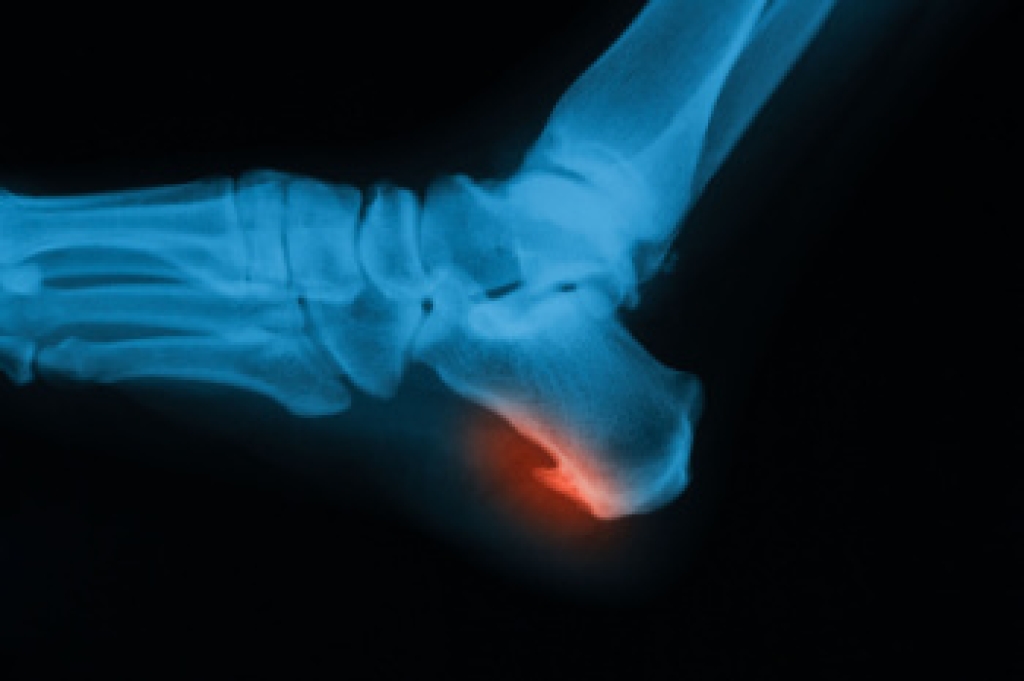
Heel pain is often associated with plantar fasciitis. The plantar fascia is a band of tissues that extends along the bottom of the foot. A rip or tear in this ligament can cause inflammation of the tissue.

Achilles tendonitis is another cause of heel pain. Inflammation of the Achilles tendon will cause pain from fractures and muscle tearing. Lack of flexibility is also another symptom.

Heel spurs are another cause of pain. When the tissues of the plantar fascia undergo a great deal of stress, it can lead to ligament separation from the heel bone, causing heel spurs.

Why Might Heel Pain Occur?

  • Wearing ill-fitting shoes                
  • Wearing non-supportive shoes
  • Weight change           
  • Excessive running

Treatments

Heel pain should be treated as soon as possible for immediate results. Keeping your feet in a stress-free environment will help. If you suffer from Achilles tendonitis or plantar fasciitis, applying ice will reduce the swelling. Stretching before an exercise like running will help the muscles. Using all these tips will help make heel pain a condition of the past.

If you have any questions, please feel free to contact our office located in Los Angeles, CA . We offer the newest diagnostic and treatment technologies for all your foot care needs.
Read more about Heel Pain

All About Toenail Fungus

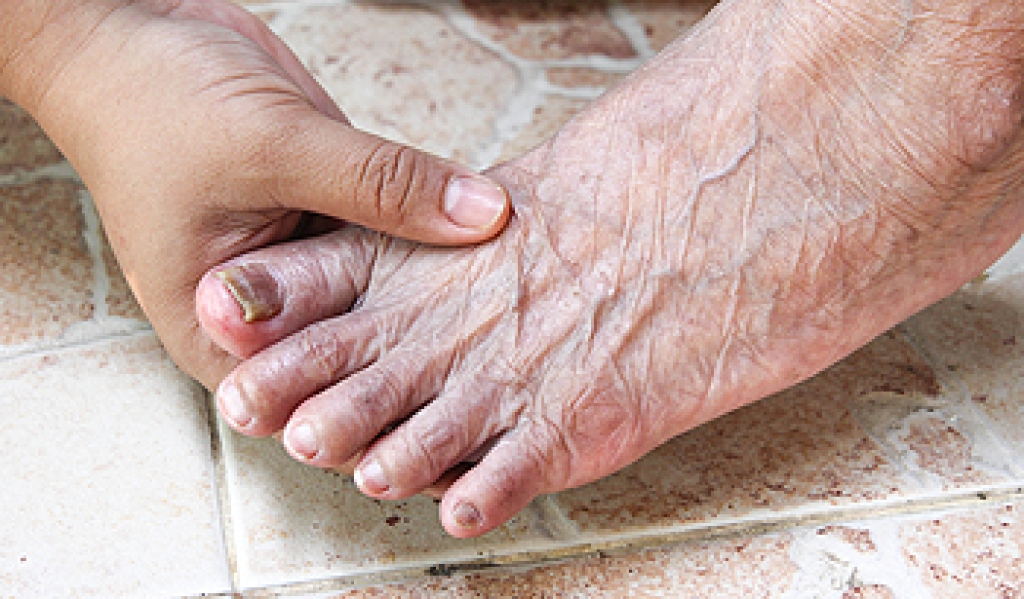
Toenail fungus, medically known as onychomycosis, occurs when fungi invade the nail bed, nail plate, or surrounding tissue. The infection can develop from dermatophytes, yeasts, or molds and often begins at the edge of the nail before spreading deeper. As the fungal infection progresses, the toenail can become thick, brittle, and discolored, turning yellow, brown, or white. In some cases, the nail separates from the nail bed, causing discomfort or pain while walking or wearing shoes. Affected nails can also produce a foul odor and crumble at the edges. Fungi thrive in warm, moist environments, making feet enclosed in tight shoes or damp socks more vulnerable. A podiatrist can diagnose the type of fungal infection through visual examination and laboratory testing, helping determine the most effective course of treatment to restore healthy nail growth. If you have symptoms of toenail fungus, it is suggested that you schedule an appointment with a podiatrist for a diagnosis and appropriate treatment options, which may include prescribed medication.

For more information about treatment, contact Arkady Kaplansky, DPM of California. Our doctor can provide the care you need to keep you pain-free and on your feet.

Toenail Fungus Treatment

Toenail fungus is a condition that affects many people and can be especially hard to get rid of. Fortunately, there are several methods to go about treating and avoiding it.

Antifungals & Deterrence

Oral antifungal medicine has been shown to be effective in many cases. It is important to consult with a podiatrist to determine the proper regiment for you, or potentially explore other options.

Applying foot powder on the feet and shoes helps keep the feet free of moisture and sweat.

Sandals or open toed shoes – Wearing these will allow air movement and help keep feet dry. They also expose your feet to light, which fungus cannot tolerate. Socks with moisture wicking material also help as well.

If you have any questions please contact our office located in Los Angeles, CA . We offer the newest diagnostic and treatment technologies for all your foot and ankle needs.

Read more about Toenail Fungus

Types of Bone Spurs in the Feet

Bone spurs in the feet, also called osteophytes, form when the body produces extra calcium in response to stress, friction, or inflammation. These growths are not always painful, but they can interfere with nearby tissues and cause discomfort. Heel spurs are one of the most common types. They develop beneath the heel bone from strain on the plantar fascia or at the back of the heel due to tension from the Achilles tendon. Tarsal spurs occur in the midfoot, either on the top or bottom, and often make wearing shoes painful because of pressure against the spur. Toe joint spurs typically affect the big toe, leading to stiffness, limited motion, and pain while walking, especially when arthritis is present. A podiatrist can determine the cause of the bone spur, relieve pressure on surrounding structures, and recommend treatment. If you are experiencing foot or heel pain, it is suggested that you schedule an appointment with a podiatrist for an exam and appropriate treatment.

Foot Pain

Foot pain can be extremely painful and debilitating. If you have a foot pain, consult with Arkady Kaplansky, DPM from California. Our doctor will assess your condition and provide you with quality foot and ankle treatment.

Causes

Foot pain is a very broad condition that could be caused by one or more ailments. The most common include:

  • Bunions
  • Hammertoes
  • Plantar Fasciitis
  • Bone Spurs
  • Corns
  • Tarsal Tunnel Syndrome
  • Ingrown Toenails
  • Arthritis (such as Gout, Rheumatoid, and Osteoarthritis)
  • Flat Feet
  • Injury (from stress fractures, broken toe, foot, ankle, Achilles tendon ruptures, and sprains)
  • And more

Diagnosis

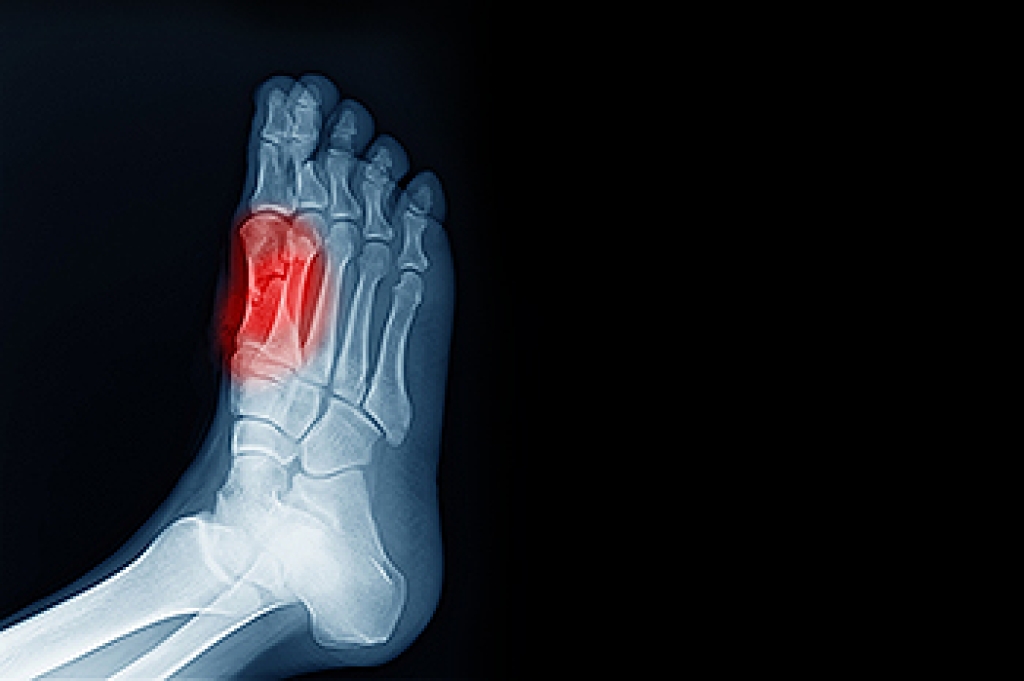
To figure out the cause of foot pain, podiatrists utilize several different methods. This can range from simple visual inspections and sensation tests to X-rays and MRI scans. Prior medical history, family medical history, and any recent physical traumatic events will all be taken into consideration for a proper diagnosis.

Treatment

Treatment depends upon the cause of the foot pain. Whether it is resting, staying off the foot, or having surgery; podiatrists have a number of treatment options available for foot pain.

If you have any questions, please feel free to contact our office located in Los Angeles, CA . We offer the newest diagnostic and treatment technologies for all your foot care needs.
Read more about Foot Pain

Understanding Sesamoiditis

Sesamoiditis is a type of foot tendonitis that affects the two small bones located beneath the big toe joint. This condition occurs when the tendons surrounding these sesamoid bones become inflamed, typically due to overuse or repetitive pressure. Symptoms of sesamoiditis include pain beneath the big toe, swelling, and tenderness, especially when walking, running, or bearing weight on the affected foot. You may also have trouble moving the toe, or it may be uncomfortable while wearing shoes. The primary causes of sesamoiditis are activities that place repetitive pressure on the big toe, such as running, ballet, or jumping. Wearing ill-fitting shoes or high heels can also contribute to this condition. A podiatrist can help diagnose sesamoiditis through physical exams and imaging. tests. Treatments may include anti-inflammatory medications, custom orthotics to relieve pressure, or targeted exercises to strengthen the foot. In severe cases, corticosteroid injections or surgery may be considered. If you have this condition, it is suggested that you schedule an appointment with a podiatrist for appropriate treatment.

Sesamoiditis is an unpleasant foot condition characterized by pain in the balls of the feet. If you think you’re struggling with sesamoiditis, contact Arkady Kaplansky, DPM of California. Our doctor will treat your condition thoroughly and effectively.

Sesamoiditis

Sesamoiditis is a condition of the foot that affects the ball of the foot. It is more common in younger people than it is in older people. It can also occur with people who have begun a new exercise program, since their bodies are adjusting to the new physical regimen. Pain may also be caused by the inflammation of tendons surrounding the bones. It is important to seek treatment in its early stages because if you ignore the pain, this condition can lead to more serious problems such as severe irritation and bone fractures.

Causes of Sesamoiditis

  • Sudden increase in activity
  • Increase in physically strenuous movement without a proper warm up or build up
  • Foot structure: those who have smaller, bonier feet or those with a high arch may be more susceptible

Treatment for sesamoiditis is non-invasive and simple. Doctors may recommend a strict rest period where the patient forgoes most physical activity. This will help give the patient time to heal their feet through limited activity. For serious cases, it is best to speak with your doctor to determine a treatment option that will help your specific needs.

If you have any questions, please feel free to contact our office located in Los Angeles, CA . We offer the newest diagnostic and treatment technologies for all your foot care needs.

Read more about Sesamoiditis

Are You Suffering From Ingrown Toenails?

If left untreated, an ingrown toenail can lead to more serious concerns, such as an infection. Knowing proper nail care can help in the prevention of an ingrown toenail. Give us a call, and get treated!

scroll to top