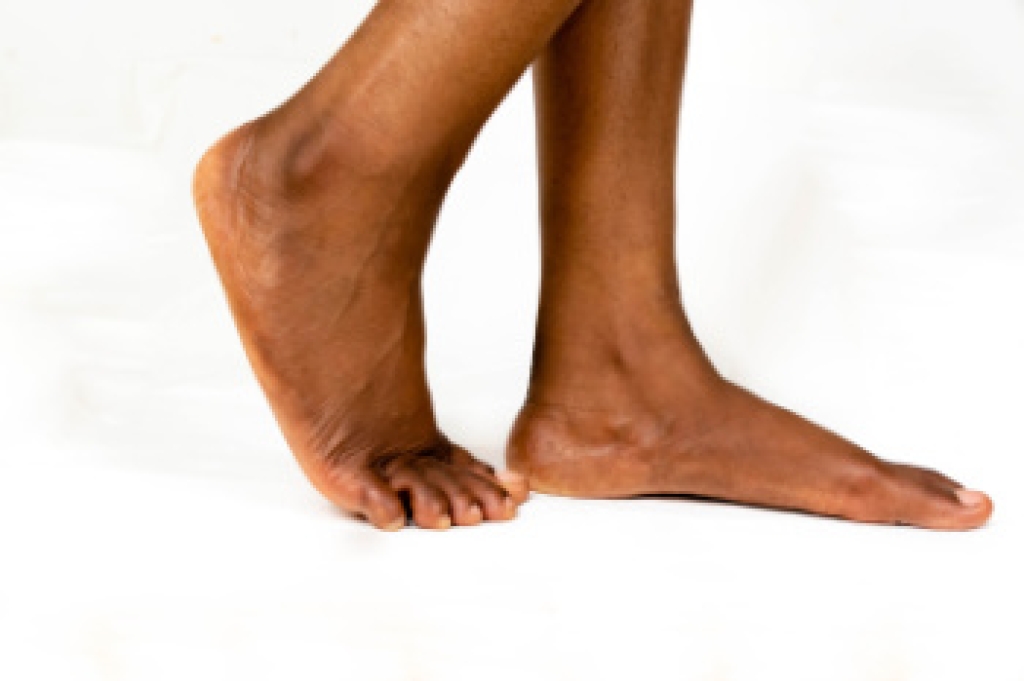
Podiatry Treatment for Flat Feet

Flat feet occur when the arches along the inside of the feet are low or flatten when standing. The arches help distribute body weight and support efficient movement while walking or standing. Some people have flat feet from childhood, while others develop them later in life. Changes in muscles or tendons that support the arch can contribute to flattening. Age, injury, and repeated stress on the feet can also play a role. Some people with flat feet have no discomfort. Others experience foot pain, tired feet, or swelling near the ankle. Pain can also develop in the heel or arch. Flat feet can affect how weight moves through the feet, which can change the way a person stands and walks.

A podiatrist can evaluate flat feet by examining the arches and observing how the feet function while standing and walking. An examination can include checking foot flexibility, ankle movement, and areas of tenderness. The podiatrist can also assess how the heels and ankles are positioned when weight is placed on the feet. Treatment depends on the patient's symptoms and how flat feet affect daily activities. Custom orthotics can provide added support and help improve the way pressure is distributed across the feet. A podiatrist can also recommend appropriate shoes that provide support and fit the patient's foot structure. Targeted exercises can be prescribed to improve strength and flexibility in the feet and lower legs.

Flat feet can make prolonged standing, walking, and physical activity uncomfortable for some patients. Changes in foot movement can also place added stress on the ankles, knees, or lower legs. A podiatrist can identify these movement patterns and develop a treatment plan focused on reducing discomfort and supporting better foot function. Care can be adjusted according to the patient's activity level and response to treatment. Improving support and pressure distribution can help the feet function more efficiently during everyday activities. Treatment can also address related problems that develop because of changes in foot mechanics. If you have symptoms of flat feet, it is suggested that you make an appointment with a podiatrist for diagnosis and treatment.

Flatfoot is a condition many people suffer from. If you have flat feet, contact Arkady Kaplansky, DPM from California. Our doctor will treat your foot and ankle needs.

What Are Flat Feet?

Flatfoot is a condition in which the arch of the foot is depressed and the sole of the foot is almost completely in contact with the ground. About 20-30% of the population generally has flat feet because their arches never formed during growth.

Conditions & Problems:

Having flat feet makes it difficult to run or walk because of the stress placed on the ankles.

Alignment – The general alignment of your legs can be disrupted, because the ankles move inward which can cause major discomfort.

Knees – If you have complications with your knees, flat feet can be a contributor to arthritis in that area.  

Symptoms

  • Pain around the heel or arch area
  • Trouble standing on the tip toe
  • Swelling around the inside of the ankle
  • Flat look to one or both feet
  • Having your shoes feel uneven when worn

Treatment

If you are experiencing pain and stress on the foot you may weaken the posterior tibial tendon, which runs around the inside of the ankle. 

If you have any questions, please feel free to contact our office located in Los Angeles, CA . We offer the newest diagnostic and treatment technologies for all your foot care needs.

Read more about What is Flexible Flat Foot?

How Heel Spurs Can Cause Pain While Walking

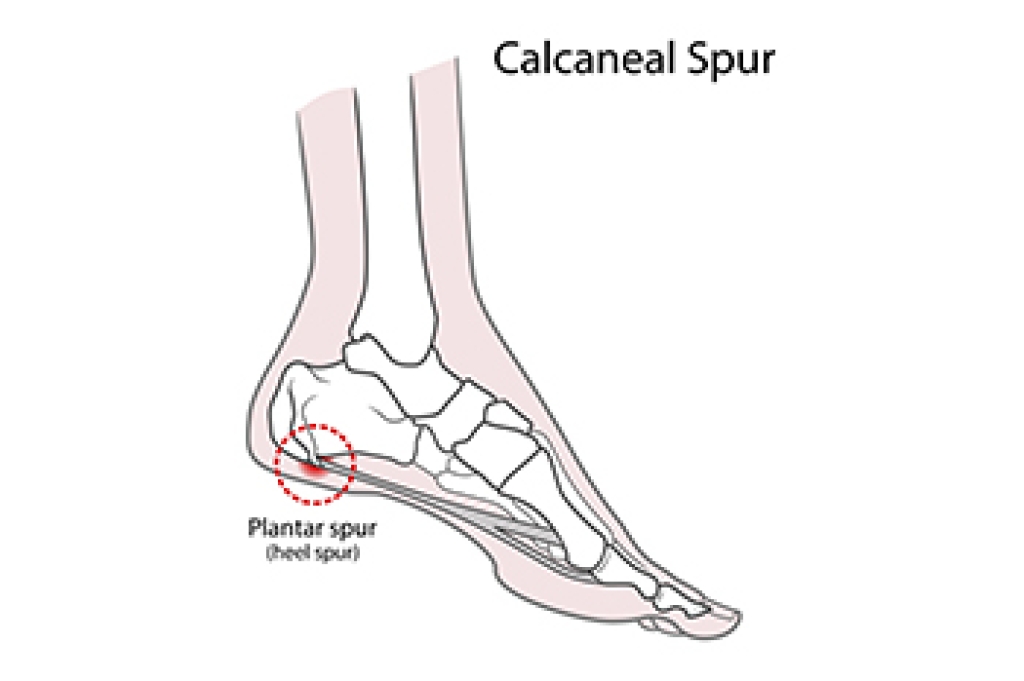
Heel spurs are bony growths that develop on the heel bone. They can form where the plantar fascia, a strong band of tissue along the bottom of the foot, attaches to the heel. Repeated strain on this tissue and the foot muscles can contribute to spur formation. Heel spurs are also linked with plantar fasciitis, which causes irritation in the plantar fascia. However, a heel spur does not always cause pain. Some people have a spur that is discovered on an X-ray even though they have no heel symptoms.

When heel spurs do cause symptoms, patients can feel pain and tenderness on the bottom of the heel. Discomfort can become more noticeable when standing, walking, or running. Some people describe the pain as feeling like pins pressing into the bottom of the foot. Because several foot problems can cause heel pain, identifying the source is important. A podiatrist can examine the heel, ask about activities that trigger discomfort, and evaluate foot structure. Imaging can also show whether a bony growth is present and help confirm the diagnosis.

A podiatrist can develop a treatment plan based on the cause and severity of heel pain. Treatment can focus on reducing pressure around the heel and improving the way the foot functions. Options can include custom orthotics, supportive shoe recommendations, and targeted stretching. A podiatrist can also evaluate whether plantar fasciitis or another foot problem is contributing to the symptoms. When pain continues despite conservative treatment, other treatment choices can be discussed. If you have symptoms of heel spurs, it is suggested that you schedule an appointment with a podiatrist for diagnosis and treatment.

Heel spurs can be incredibly painful and sometimes may make you unable to participate in physical activities. To get medical care for your heel spurs, contact Arkady Kaplansky, DPM from California. Our doctor will do everything possible to treat your condition.

Heels Spurs

Heel spurs are formed by calcium deposits on the back of the foot where the heel is. This can also be caused by small fragments of bone breaking off one section of the foot, attaching onto the back of the foot. Heel spurs can also be bone growth on the back of the foot and may grow in the direction of the arch of the foot.

Older individuals usually suffer from heel spurs and pain sometimes intensifies with age. One of the main condition's spurs are related to is plantar fasciitis.

Pain

The pain associated with spurs is often because of weight placed on the feet. When someone is walking, their entire weight is concentrated on the feet. Bone spurs then have the tendency to affect other bones and tissues around the foot. As the pain continues, the feet will become tender and sensitive over time.

Treatments

There are many ways to treat heel spurs. If one is suffering from heel spurs in conjunction with pain, there are several methods for healing. Medication, surgery, and herbal care are some options.

If you have any questions, please feel free to contact our office located in Los Angeles, CA . We offer the newest diagnostic and treatment technologies for all your foot care needs.

Read more about How to Treat Heel Spurs

How Diabetes Can Change Nerve Health in Your Feet

Diabetic neuropathy is a type of nerve damage linked to diabetes. It commonly affects the feet because prolonged high blood sugar can injure nerves throughout the lower limbs. Early symptoms may include tingling, burning, or unusual sensitivity. As nerve damage progresses, numbness may develop. Some people also experience shooting pain or weakness. Reduced feeling can make it difficult to notice a blister, cut, or developing sore.

The main cause is prolonged exposure to elevated blood glucose. Over time, high blood sugar can damage nerves and the blood vessels that nourish them. Several factors can raise the risk. These include having diabetes for many years, poor blood sugar control, and high cholesterol. Smoking and excess weight may also contribute. Kidney disease can increase risk as well. These factors can affect circulation and nerve health, making the feet more vulnerable to injury.


A podiatrist can help identify diabetic neuropathy and protect your feet from related complications. Care begins with a podiatric examination that checks sensation, circulation, and areas exposed to pressure. Your podiatrist may use simple sensory testing to identify changes in feeling. If a wound or infection is present, treatment will focus on protecting the area and supporting healing. Protective shoes or custom orthotics may also be recommended to reduce pressure and friction.


Daily foot awareness is an important part of managing diabetic neuropathy. Look at both feet every day and report changes promptly. Keep your skin moisturized while avoiding lotion between the toes. Wear well-fitting shoes and avoid walking barefoot. Additionally, regular podiatric visits can help identify problems before they gradually become more serious. If you notice numbness, burning, or other symptoms of diabetic neuropathy, it is suggested that you are under the care of a podiatrist who can help you to manage this serious condition.

Neuropathy

Neuropathy can be a potentially serious condition, especially if it is left undiagnosed. If you have any concerns that you may be experiencing nerve loss in your feet, consult with Arkady Kaplansky, DPM from California. Our doctor will assess your condition and provide you with quality foot and ankle treatment for neuropathy.

What Is Neuropathy?

Neuropathy is a condition that leads to damage to the nerves in the body. Peripheral neuropathy, or neuropathy that affects your peripheral nervous system, usually occurs in the feet. Neuropathy can be triggered by a number of different causes. Such causes include diabetes, infections, cancers, disorders, and toxic substances.

Symptoms of Neuropathy Include:

  • Numbness
  • Sensation loss
  • Prickling and tingling sensations
  • Throbbing, freezing, burning pains
  • Muscle weakness

Those with diabetes are at serious risk due to being unable to feel an ulcer on their feet. Diabetics usually also suffer from poor blood circulation. This can lead to the wound not healing, infections occurring, and the limb may have to be amputated.

Treatment

To treat neuropathy in the foot, podiatrists will first diagnose the cause of the neuropathy. Figuring out the underlying cause of the neuropathy will allow the podiatrist to prescribe the best treatment, whether it be caused by diabetes, toxic substance exposure, infection, etc. If the nerve has not died, then it’s possible that sensation may be able to return to the foot.

Pain medication may be issued for pain. Electrical nerve stimulation can be used to stimulate nerves. If the neuropathy is caused from pressure on the nerves, then surgery may be necessary.

If you have any questions, please feel free to contact our office located in Los Angeles, CA . We offer the newest diagnostic and treatment technologies for all your foot care needs.

Read more about Neuropathy

Do Your Child's Feet Hurt?

Have your child's feet been examined lately? Healthy feet are happy feet. If your child is complaining of foot pain, it may be a sign of underlying problems.

scroll to top