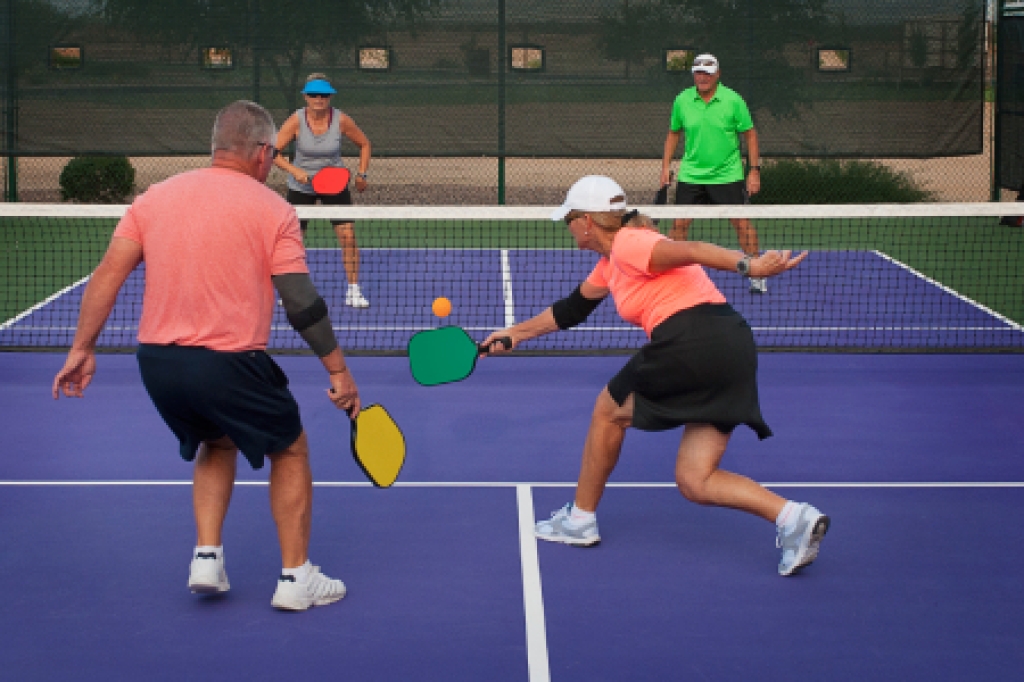
Common Foot Injuries in Pickleball

Pickleball’s rapid rise in popularity has also brought an increase in foot and ankle injuries among players. Quick pivots, sudden lunges, and rapid stops put significant stress on the feet, often leading to plantar fasciitis, ankle sprains, and Achilles tendon ruptures. The Achilles tendon, which connects the calf muscles to the heel, is especially vulnerable during explosive movements causing tears or ruptures. Strains of the peroneal tendons along the outside of the ankle or stress fractures of the metatarsals in the forefoot may result from repetitive pounding on hard surfaces. Mild sprains or bruising can impact stability, making it harder to push off, jump, or change direction. A podiatrist can provide a full evaluation, order imaging if necessary, and offer advanced treatment options to restore mobility and reduce long-term complications. If you are experiencing foot or ankle pain after playing pickleball, it is suggested that you schedule an appointment with a podiatrist for an exam and appropriate treatment.

Ankle and foot injuries are common among athletes and in many sports. They can be caused by several problems and may be potentially serious. If you are feeling pain or think you were injured in a sporting event or when exercising, consult with Arkady Kaplansky, DPM from California. Our doctor will assess your condition and provide you with quality foot and ankle treatment.

Common Injuries

The most common injuries that occur in sporting activities include:

  • Achilles Tendonitis
  • Achilles Tendon Rupture
  • Ankle Sprains
  • Broken Foot
  • Plantar Fasciitis
  • Stress Fractures
  • Turf Toe

Symptoms

Symptoms vary depending upon the injury and in some cases, there may be no symptoms at all. However, in most cases, some form of symptom is experienced. Pain, aching, burning, bruising, tenderness, tightness or stiffness, sensation loss, difficulty moving, and swelling are the most common symptoms.

Treatment

Just as symptoms vary depending upon the injury, so do treatment options. A common treatment method is known as the RICE method. This method involves rest, applying ice, compression and elevating the afflicted foot or ankle. If the injury appears to be more serious, surgery might be required, such as arthroscopic or reconstructive surgery. Lastly, rehabilitation or therapy might be needed to gain full functionality in the afflicted area. Any discomfort experienced by an athlete must be evaluated by a licensed, reputable medical professional.  

If you have any questions please contact our office located in Los Angeles, CA . We offer the newest diagnostic and treatment technologies for all your foot and ankle needs.


Read more about Sports Related Foot and Ankle Injuries

Symptoms and Treatment of Athlete’s Foot

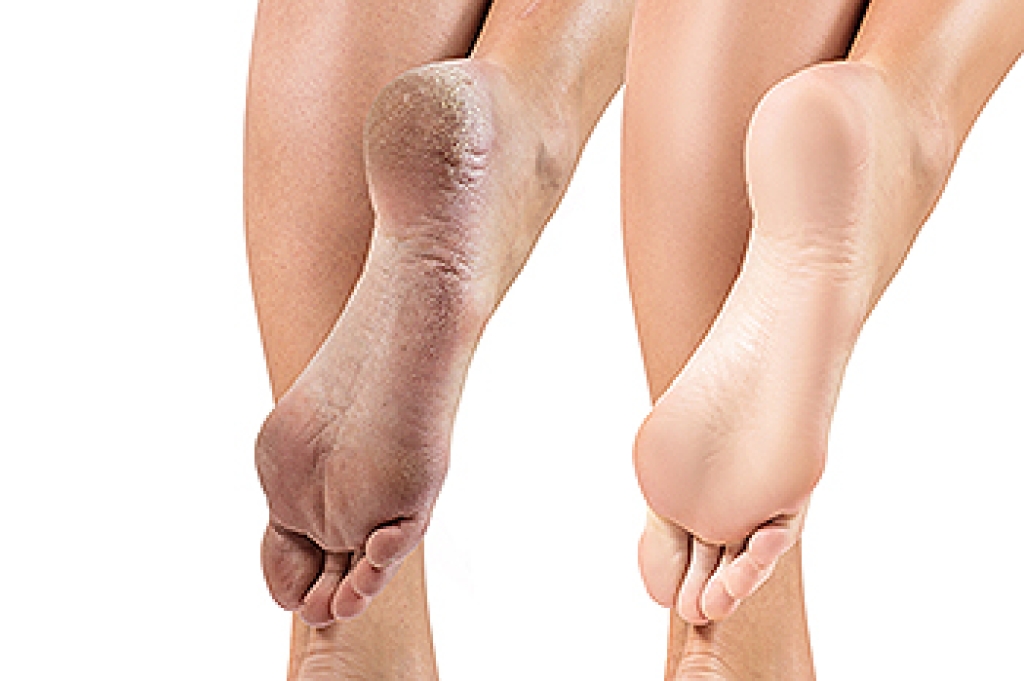
Athlete’s foot, also called tinea pedis, is a fungal infection that commonly affects the skin on the feet. It often begins between the toes, where moisture and warmth allow fungi to thrive. Symptoms of athlete’s foot include itching, redness, peeling, and a scaly buildup on the skin. In some cases, painful cracks or fluid-filled blisters may develop, and the soles of the feet thicken over time. Untreated athlete’s foot can lead to secondary bacterial infections, especially when skin breakdown occurs. People who wear tight shoes or frequently walk barefoot in communal areas, like locker rooms or showers, are more at risk. A podiatrist can examine the affected area and confirm the diagnosis, sometimes with a skin scraping for microscopic evaluation. Treatment includes antifungal medication applied directly to the feet, or, in some cases, taken orally. If you have symptoms of athlete's foot, it is suggested that you schedule an appointment with a podiatrist for an exam and appropriate treatment.

Athlete’s foot is an inconvenient condition that can be easily reduced with the proper treatment. If you have any concerns about your feet and ankles, contact Arkady Kaplansky, DPM from California.  Our doctor will treat your foot and ankle needs.

Athlete’s Foot: The Sole Story

Athlete's foot, also known as tinea pedis, can be an extremely contagious foot infection. It is commonly contracted in public changing areas and bathrooms, dormitory style living quarters, around locker rooms and public swimming pools, or anywhere your feet often come into contact with other people.

Solutions to Combat Athlete’s Foot

  • Hydrate your feet by using lotion
  • Exfoliate
  • Buff off nails
  • Use of anti-fungal products
  • Examine your feet and visit your doctor if any suspicious blisters or cuts develop

Athlete’s foot can cause many irritating symptoms such as dry and flaking skin, itching, and redness. Some more severe symptoms can include bleeding and cracked skin, intense itching and burning, and even pain when walking. In the worst cases, Athlete’s foot can cause blistering as well. Speak to your podiatrist for a better understanding of the different causes of Athlete’s foot, as well as help in determining which treatment options are best for you.

If you have any questions please feel free to contact our office located in Los Angeles, CA . We offer the newest diagnostic and treatment technologies for all your foot and ankle needs.
Read more about Athlete's Foot

Avoiding Ankle Sprains and Fractures in Zumba

Zumba is a fun way to stay active, but its fast footwork and sudden movements can lead to ankle sprains or fractures. Sprains occur when ligaments stretch beyond their limit, while fractures happen from direct impact or awkward landings. Prevention starts with wearing the right shoes that provide cushioning and ankle support. Avoiding crowded classes reduces the chance of accidental collisions. A proper warm-up and cool-down improve flexibility, and staying hydrated helps muscles and joints perform safely. A podiatrist can evaluate ankle health, provide treatment for injuries, and guide a safe return to activity. If you have ankle pain from Zumba, it is suggested that you promptly schedule an appointment with a podiatrist who can offer you relief and treatment solutions, enabling your return to this popular activity.

Ankle pain can have many different causes and the pain may potentially be serious. If you have ankle pain, consult with Arkady Kaplansky, DPM from California. Our doctor will assess your condition and provide you with quality foot and ankle treatment.

Ankle pain is any condition that causes pain in the ankle. Due to the fact that the ankle consists of tendons, muscles, bones, and ligaments, ankle pain can come from a number of different conditions.

Causes

The most common causes of ankle pain include:

  • Types of arthritis (rheumatoid, osteoarthritis, and gout)
  • Ankle sprains
  • Broken ankles
  • Achilles tendinitis
  • Achilles tendon rupture
  • Stress fractures
  • Tarsal tunnel syndrome
  • Plantar fasciitis

Symptoms

Symptoms of ankle injury vary based upon the condition. Pain may include general pain and discomfort, swelling, aching, redness, bruising, burning or stabbing sensations, and/or loss of sensation.

Diagnosis

Due to the wide variety of potential causes of ankle pain, podiatrists will utilize a number of different methods to properly diagnose ankle pain. This can include asking for personal and family medical histories and of any recent injuries. Further diagnosis may include sensation tests, a physical examination, and potentially x-rays or other imaging tests.

Treatment

Just as the range of causes varies widely, so do treatments. Some more common treatments are rest, ice packs, keeping pressure off the foot, orthotics and braces, medication for inflammation and pain, and surgery.

If you have any questions please feel free to contact our office located in Los Angeles, CA . We offer the newest diagnostic tools and technology to treat your foot and ankle needs.

Read more about Ankle Pain

Inherited Palmoplantar Keratodermas and Their Effects on the Feet

Palmoplantar keratodermas are a group of inherited conditions that cause thickening of the skin on the palms of the hands and the soles of the feet. The skin may appear yellowish, hardened, or cracked, which can make walking painful and daily activities uncomfortable. In some cases, the thickened skin may extend beyond the soles, and fissures can increase the risk of infection. These conditions are genetic, meaning they are passed down through families, and symptoms often begin in childhood. While there is no cure, treatment focuses on reducing discomfort and improving skin health. Regular use of emollients, keratolytic creams, and careful debridement can soften thickened areas. Wearing supportive footwear helps decrease pressure and friction. If painful skin changes are limiting your mobility or quality of life, it is suggested that you consult a podiatrist for evaluation and guidance on long-term management. 

Some foot conditions may require additional professional care. If you have any concerns, contact Arkady Kaplansky, DPM of California. Our doctor can provide the care you need to keep you pain-free and on your feet.

Rare Foot Conditions

The majority of foot conditions are common and can be treated by a podiatrist.  Standard diagnostic procedures are generally used to identify specific conditions and treatment can be rendered. A podiatrist also treats rare foot conditions which can be difficult to diagnose and may need extra attention and care. 

There are many rare foot conditions that can affect children. Some of these can include:

  • Freiberg’s disease
  • Kohler’s disease
  • Maffucci syndrome

Freiberg’s disease - This can be seen as a deterioration and flattening of a metatarsal bone that exists in the ball of the foot. It typically affects pre-teen and teenage girls, but can affect anyone at any age. Symptoms that can accompany this can be swelling, stiffness, and the patient may limp. 

Kohler’s disease - This often targets the bone in the arch of the foot and affects younger boys. It can lead to an interruption of the blood supply which ultimately can lead to bone deterioration. The patient may limp or experience tenderness, swelling, and redness.

Maffucci syndrome - This affects the long bones in a child’s foot leading to the development of abnormal bone lesions. They are benign growths and typically develop in early childhood and the bones may be susceptible to breaking. 

A podiatrist can properly diagnose and treat all types of rare foot conditions. If your child is affected by any of these symptoms or conditions, please don’t hesitate to call our office so the correct treatment method can begin.

If you have any questions, please feel free to contact our office located in Los Angeles, CA . We offer the newest diagnostic and treatment technologies for all your foot care needs.

Read more about Rare Foot Conditions

Let the Expert Treat Your Ingrown Toenails

Ingrown toenails can be painful and can make wearing shoes or walking uncomfortable. Seek professional help if you believe you've developed an ingrown toenail and be treated safely. 

scroll to top