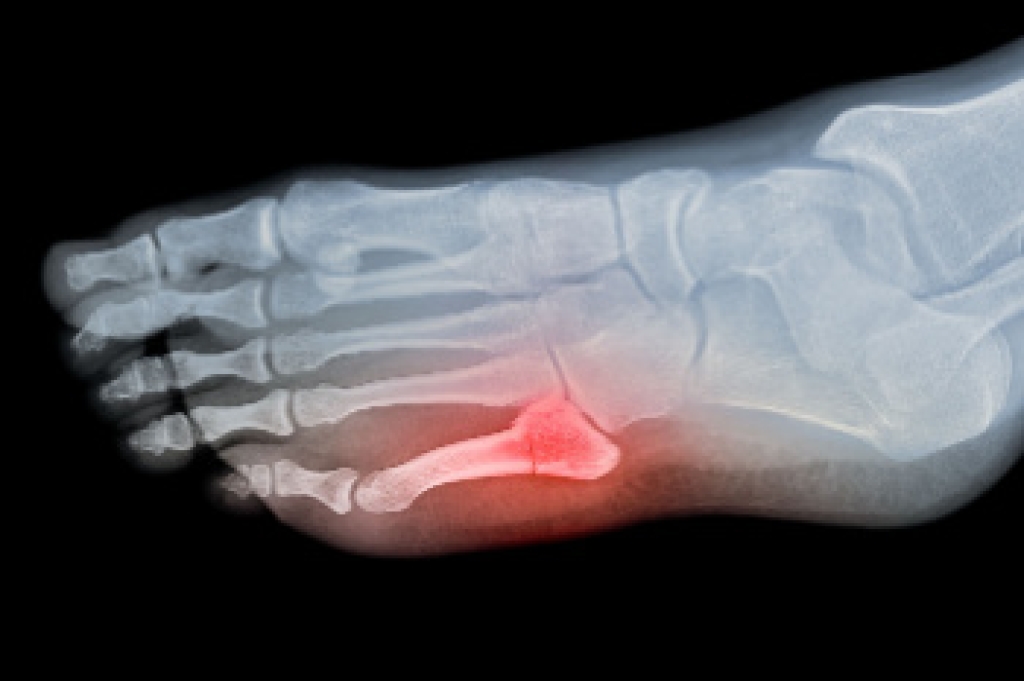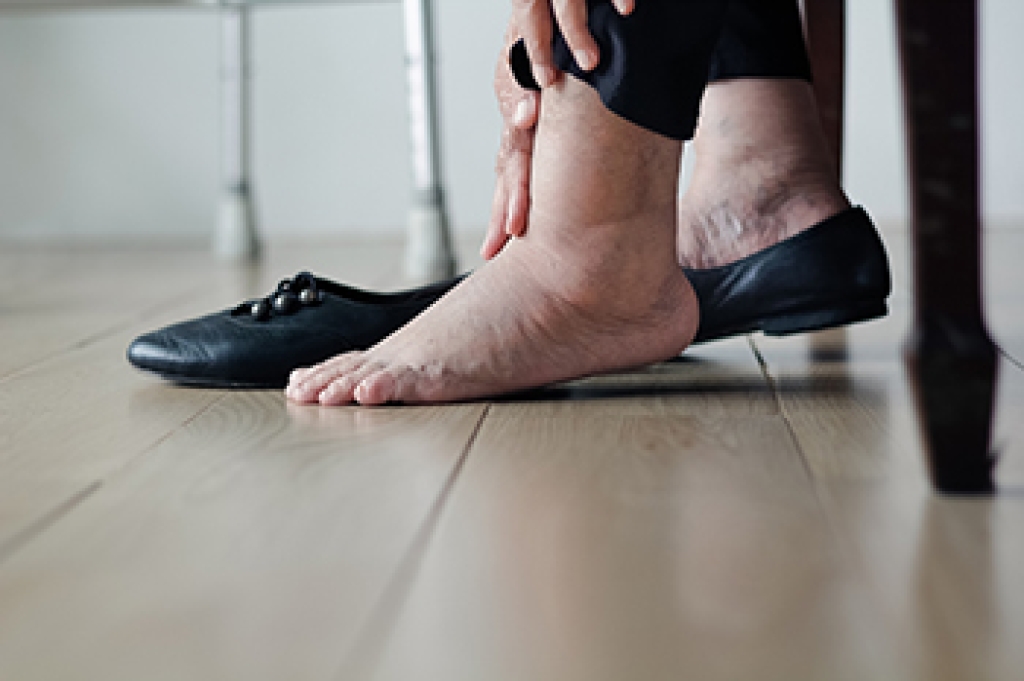
Rheumatoid arthritis can cause painful inflammation in the joints of the feet and ankles, making daily movement difficult. Rheumatoid arthritis, or RA, occurs when the immune system attacks the lining of the joints. It leads to stiffness, swelling, and warmth in areas, such as the toes, midfoot, or ankle. The joints most often affected include the metatarsophalangeal, or MTP, joints at the base of the toes, the subtalar joint beneath the heel, and the ankle joint where the foot meets the leg. Over time, joint damage can cause deformities. Hammertoes, bunions, nodules, and painful calluses can develop from uneven pressure. Circulation problems may also occur, sometimes causing ulcers or skin changes. A podiatrist can evaluate joint involvement through imaging, prescribe orthotics to redistribute pressure, and recommend surgery when necessary. If you have foot or ankle pain from rheumatoid arthritis, it is suggested that you make an appointment with a podiatrist for a diagnosis and treatment.
Because RA affects more than just your joints, including the joints in your feet and ankles, it is important to seek early diagnosis from your podiatrist if you feel like the pain in your feet might be caused by RA. For more information, contact Arkady Kaplansky, DPM of California. Our doctor will assist you with all of your podiatric concerns.
What Is Rheumatoid Arthritis?
Rheumatoid Arthritis (RA) is an autoimmune disorder in which the body’s own immune system attacks the membranes surrounding the joints. Inflammation of the lining and eventually the destruction of the joint’s cartilage and bone occur, causing severe pain and immobility.
Rheumatoid Arthritis of the Feet
Although RA usually attacks multiple bones and joints throughout the entire body, almost 90 percent of cases result in pain in the foot or ankle area.
Symptoms
- Swelling and pain in the feet
- Stiffness in the feet
- Pain on the ball or sole of feet
- Joint shift and deformation
Diagnosis
Quick diagnosis of RA in the feet is important so that the podiatrist can treat the area effectively. Your doctor will ask you about your medical history, occupation, and lifestyle to determine the origin of the condition. Rheumatoid Factor tests help to determine if someone is affected by the disease.
If you have any questions, please feel free to contact our office located in Los Angeles, CA . We offer the newest diagnostic and treatment technologies for all your foot care needs.


A painful pinky toe can make every step feel uncomfortable, and the causes are often more varied than expected. Wearing tight shoes that squeeze the toes can lead to irritation, corns, or calluses along the sides of the toe. Some people develop a small bony bump that rubs against footwear, while others may experience pain from a minor fracture or a soft tissue injury after stubbing the toe. The pinky toe can also shift inward over time, creating pressure points and swelling. Although gentle padding and wider shoes may ease early symptoms, pain that persists or worsens should not be ignored. A podiatrist can examine the toe, identify the exact source of discomfort, and recommend treatments that reduce irritation and prevent further problems. If your pinky toe continues to hurt or makes daily walking difficult, it is suggested that you see a podiatrist for proper evaluation and appropriate care.
Toe pain can disrupt your daily activities. If you have any concerns, contact Arkady Kaplansky, DPM of California. Our doctor can provide the care you need to keep you pain-free and on your feet.
What Causes Toe Pain?
Most severe toe pain is caused due to a sports injury, trauma from dropping something heavy on the toe, or bumping into something rigid. Other problems can develop over time for various reasons.
Toe pain can be caused by one or more ailments. The most common include:
- Trauma
- Sports injury
- Wearing shoes that are too tight
- Arthritis
- Gout
- Corns and calluses
- Hammertoe
- Bunions
- Blisters
- Ingrown toenails
- Sprains
- Fractures (broken bones)
- Dislocations
When to See a Podiatrist
- Severe pain
- Persistent pain that lasts more than a week
- Signs of infection
- Continued swelling
- Pain that prevents walking
Diagnosis
In many cases the cause of toe pain is obvious, but in others, a podiatrist may want to use more advanced methods to determine the problem. These can range from simple visual inspections and sensation tests to X-rays and MRI scans. Prior medical history, family medical history, and any recent physical traumatic events will all be taken into consideration for a proper diagnosis.
Treatment
Treatments for toe pain and injuries vary and may include shoe inserts, padding, taping, medicines, injections, and in some cases, surgery. If you believe that you have broken a toe, please see a podiatrist as soon as possible.
If you have any questions please contact our office located in Los Angeles, CA . We offer the newest diagnostic and treatment technologies for all your foot and ankle needs.

Heel pain occurs when the structures that support the foot become strained or irritated. It often develops from repeated stress on the heel, which can lead to inflammation and discomfort with daily activities. Middle aged adults, active individuals, people who are overweight, and those who stand for long periods of time are at higher risk because their heels experience greater pressure. Symptoms include sharp pain when taking the first steps in the morning, aching after activity, or tenderness along the bottom or back of the heel. A podiatrist can identify the cause, ease inflammation, improve foot alignment, and create a personalized treatment plan. If heel pain is affecting your mobility, it is suggested that you consult a podiatrist who can offer effective treatment solutions.
Many people suffer from bouts of heel pain. For more information, contact Arkady Kaplansky, DPM of California. Our doctor can provide the care you need to keep you pain-free and on your feet.
Causes of Heel Pain
Heel pain is often associated with plantar fasciitis. The plantar fascia is a band of tissues that extends along the bottom of the foot. A rip or tear in this ligament can cause inflammation of the tissue.
Achilles tendonitis is another cause of heel pain. Inflammation of the Achilles tendon will cause pain from fractures and muscle tearing. Lack of flexibility is also another symptom.
Heel spurs are another cause of pain. When the tissues of the plantar fascia undergo a great deal of stress, it can lead to ligament separation from the heel bone, causing heel spurs.
Why Might Heel Pain Occur?
- Wearing ill-fitting shoes
- Wearing non-supportive shoes
- Weight change
- Excessive running
Treatments
Heel pain should be treated as soon as possible for immediate results. Keeping your feet in a stress-free environment will help. If you suffer from Achilles tendonitis or plantar fasciitis, applying ice will reduce the swelling. Stretching before an exercise like running will help the muscles. Using all these tips will help make heel pain a condition of the past.
If you have any questions, please feel free to contact our office located in Los Angeles, CA . We offer the newest diagnostic and treatment technologies for all your foot care needs.